Our site is getting a makeover! Please bear with us whilst we make improvements

What is Swedish Tracing Paper and How Do You Use It?

What is Swedish Tracing Paper and How Do You Use It?

Swedish Tracing Paper is a type of dressmaking pattern tracing paper that is fairly translucent, drapeable and best of all – it’s pattern paper that is sewable! This makes it an incredible choice for making muslins or toiles whilst dressmaking.

In this guide we’re going to talk you through the product, as well as offer a tutorial on how to use this amazing dressmaking pattern paper & how using it can save you both time AND fabric!

What is Swedish Tracing Paper?


Unlike conventional pattern drafting paper that can tear or crumple easily, Swedish tracing paper can be used to

  • Trace dressmaking patterns
  • Alter patterns
  • Sew pattern pieces traced on to Swedish Tracing Paper together to make a muslin & get an idea of fit
  • Easily mark pattern alterations on to

It’s super useful and will save you time and fabric! You could easily skip making a muslin or toile from Calico fabric and use Swedish Tracing Paper instead.

Just a heads up! Some of the links in this post are affiliate links. That means we may earn a small commission - at no extra cost to you - if you make a purchase through them. It’s a little way you can support us and help keep all this awesome content free. Thanks for supporting us! Please read our full disclaimer here 

What is Swedish Tracing Paper made from?

Swedish tracing paper is made from eco-friendly abaca fibres, making it compostable & environmentally friendly. The tightly packed, jumbled fibres make it more tear-resistant than regular pattern paper yet it’s still translucent enough to see through for tracing .

You can sew Swedish tracing paper in the same way you would sew regular ‘muslin’ fabrics using a universal needle and thread.

You can baste your traced pattern pieces together with a long stitch on your sewing machine. Once sewn you can easily mark any fit alterations on your pattern pieces in pencil. After that you can unpick the seams to adjust and retrace the pattern pieces!


Looking to expand your fabric knowledge?

Check out our Fabric Guides for tips on working with all types of fabric

How to use Swedish Tracing Paper to trace a pattern

You Will Need:

Make it even easier with…

1. First, lay the pattern pieces you want to trace on a flat surface.

You may wish to dry iron them first so they lay completely flat for the most accurate trace.

Place your Swedish Tracing Paper on top.

You do not need to use a light box or a window to trace through as Swedish Tracing Paper is translucent enough to see even fairly fine lines through.

2. You can use pattern weights or pins to hold the tracing paper over the pattern pieces as it can have a tendency to curl away slightly.

If you find your tracing paper gets a little crumpled or creased, iron it on a silk or cool setting and a pressing cloth. 

3. To trace off a master copy of any pattern simply trace over your desired sizes, markings & labels on your pattern pieces.

Swedish tracing paper is easy to mark with pencil, pen or even chalk, but pencil is easiest to remark and remove if you make a mistake.

4. Next, cut around the edge of your pattern with paper scissors and mark with your awl all the markings (eg circle markings for bust points) & a pattern notcher for the notches, if you have one.

5. Either use your traced pattern straight away, or sew together using a basting stitch.

Once basted you can then try on your pattern for size!

Mark any adjustments you need to make & alter the pattern piece as required.

Retrace the pattern piece to try again.  

6. You can use the pattern pieces you create from Swedish tracing paper as you would normal paper pattern pieces

Then, simply pin or use pattern weights when cutting out, but they are much more durable in use. For those of us who find the perfect pattern we want to make a time & time again – no more pin marked and destroyed paper pattern pieces!

Want More Sewing Know-How?

Sewing and Handling Tips


  • Needle – Universal machine needles work well for running a simple tacking stitch
  • Thread – A polyester thread works best for creating muslins, as it does not snap easily and is smooth for easy removal.
  • Sewing – Use a long, basting stitch length.

We hope you found this product guide helpful…. Do let us know what you thought in the comments – I’d love to hear from you!
Calico fabric: What exactly is it?

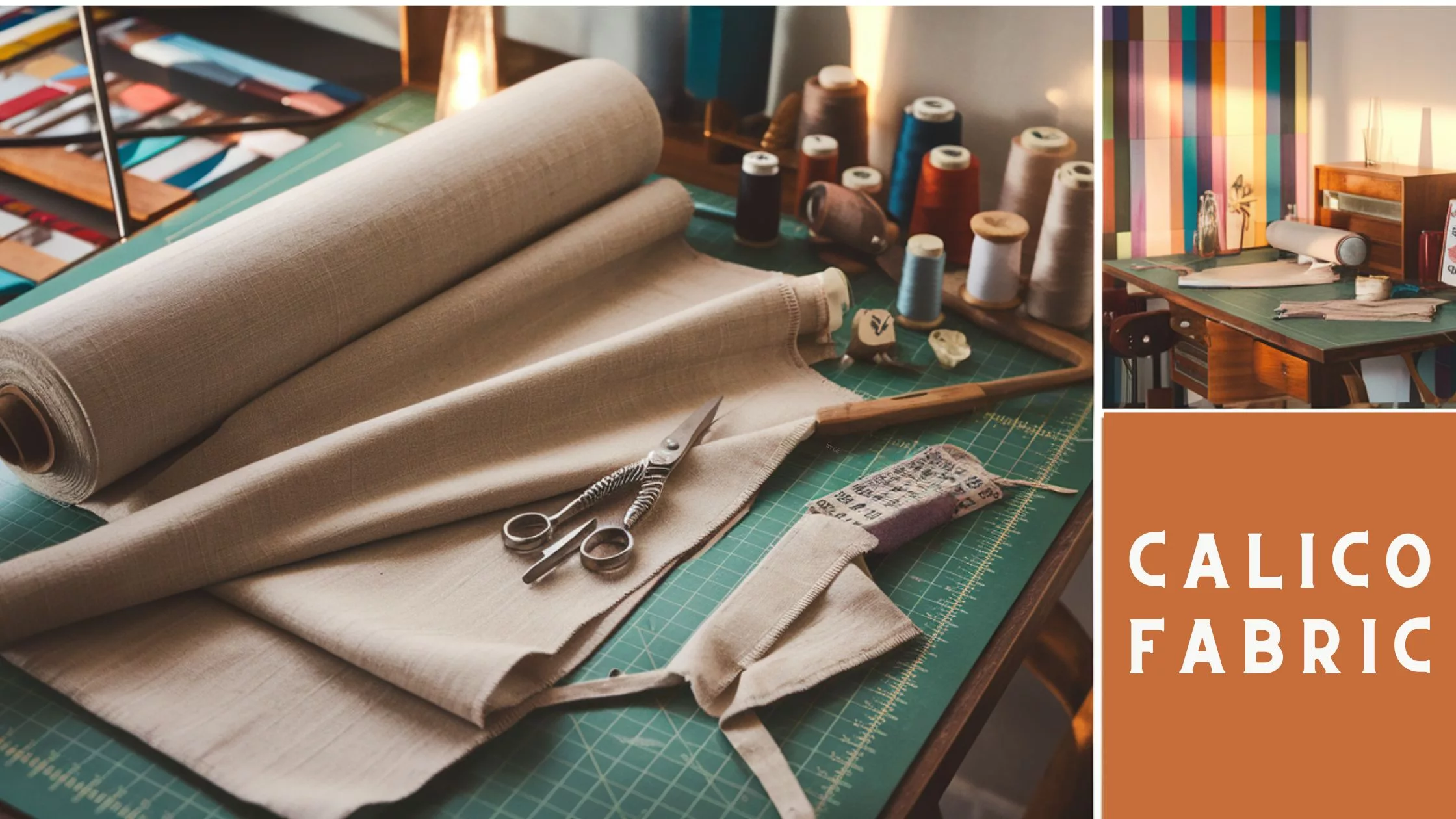
Calico fabric: What exactly is it?

Welcome to your ultimate resource for everything calico! Whether you’re a beginner dabbling with stitches or a seasoned sewist looking to up your fabric game, this guide is here to demystify the humble yet mighty calico fabric. Why settle for confusing or half-baked articles when you can dive into a detailed, entertaining, and absolutely packed guide? Let’s get you sewing smarter, not harder.

What You’ll Discover:

  • The history of calico fabric (it’s more exciting than it sounds, promise).
  • Why sewists swear by calico for beginners and pros alike.
  • Surprising uses for calico – hint: it’s not just for mock-ups.
  • How to choose the right calico fabric for your projects.
  • Practical tips for working with calico (no more frayed edges or wasted fabric!).

Just a heads up! Some of the links in this post are affiliate links. That means we may earn a small commission - at no extra cost to you - if you make a purchase through them. It’s a little way you can support us and help keep all this awesome content free. Thanks for supporting us! Please read our full disclaimer here 

What Is Calico Fabric, and Why Should You Care?

Calico fabric is the unsung hero of the sewing world. Made from unbleached and often undyed cotton, it’s sturdy, versatile, and eco-friendly. Think of it as the dependable friend who’s always there when you need them—no frills, no drama, just pure reliability.

Historically, calico originated in Calicut (modern-day Kozhikode) in India around the 11th century. Traders were so captivated by its durability and charm that they couldn’t stop exporting it to Europe. Fast forward to today, and calico is a staple in sewing rooms worldwide. It’s your go-to fabric for testing patterns, crafting, and even creating stunning finished products. Talk about a glow-up!

The Benefits of Calico Fabric

1: Versatility That’s Hard to Beat

Calico is like the Swiss Army knife of fabrics. Need a fabric for quilting? Check. Looking for a material for practice runs? Double-check. Want something for eco-conscious bags? Triple-check. Its natural texture makes it adaptable for countless projects, from practical to decorative.

2: Affordable Yet Durable

For those of us watching our wallets (and who isn’t?), calico is a budget-friendly choice. But don’t mistake “cheap” for “flimsy”—this fabric can take a beating, whether it’s heavy-duty sewing or everyday use.

3: Eco-Friendly and Sustainable

In a world grappling with environmental concerns, calico stands tall. Its production process is relatively low-impact, especially if you opt for organic options. Plus, its biodegradable nature means you’re leaving less of a footprint. Saving the planet and creating beautiful things? Win-win.

Calico Fabric: Types and Their Best Uses

Not all calico is created equal. Let’s break down the types so you know exactly what you’re working with.

Standard Calico

  • Texture: Crisp and a little coarse.
  • Best For: Pattern testing, tote bags, and lining material.
  • Example Use: A beginner trying their hand at a simple dress pattern can test fit and form without worrying about ruining expensive fabric.

Soft Calico

  • Texture: Slightly smoother, with a finer weave.
  • Best For: Clothing and home décor items.
  • Analogy Opportunity: Think of soft calico as the “business casual” of fabrics—just dressy enough for special occasions but still comfy for everyday use.

Fire Retardant Calico

  • Texture: Treated with chemicals to resist flames.
  • Best For: Theatre backdrops, stage props, and upholstery.
  • Case Study: In 2015, a community theatre production used fire-retardant calico for all their set designs, saving money and meeting safety standards without compromising aesthetics.

Looking to expand your fabric knowledge?

Check out our Fabric Guides for tips on working with all types of fabric

How to Work with Calico Fabric

Pre-Washing: A Step You Can’t Skip

Calico tends to shrink after its first wash. Toss it in with a mild detergent and let it air dry before you start sewing. Trust me, future you will thank you for avoiding that heart-sinking “why-doesn’t-this-fit” moment.

Cutting and Sewing

  • Use sharp scissors or a rotary cutter to avoid fraying.
  • Set your sewing machine to a medium stitch length for best results.
  • Press seams with an iron to keep everything crisp and professional-looking.

Finishing Touches

Consider using pinking shears or a zig-zag stitch to prevent the edges from fraying. Alternatively, serging the edges works wonders if you’ve got the equipment.

Creative Uses for Calico

1: Mock-Ups (Toiles)

If you’re testing a pattern, calico is your best friend. Its stiffness helps highlight any design flaws, so you can make adjustments before cutting into your pricier fabric.

2: Home Décor

From pillow covers to curtains, calico neutral tone makes it a blank canvas for your creativity. Paint it, dye it, stamp it—go wild!

3: Arts and Crafts

Want to get the kids involved? Calico is perfect for painting projects, custom bags, and more. Plus, it’s sturdy enough to handle enthusiastic little hands.

4: Eco-Friendly Bags

Say goodbye to single-use plastics and hello to chic calico totes. A quick sew and you’ve got yourself a reusable bag that’s both stylish and sustainable.

How to Choose the Right Calico for Your Project

When shopping for calico, consider:

  • Weight: Lightweight calico is great for crafting, while heavyweight calico works better for upholstery.
  • Finish: Unbleached calico has a rustic charm, while bleached calico offers a cleaner, more polished look.
  • Purpose: Match the fabric’s properties to your project needs (e.g., fire retardant for safety-critical applications).

    Want More Sewing Know-How?

    A Few Fun Facts About Calico

    • Did you know the first ever printed calico in England dates back to 1630? In the 1630s, the East India Company began importing intricately hand-painted and block-printed cotton textiles from India to England. These vibrant fabrics were revolutionary, introducing Europeans to colourful, lightweight cotton textiles previously unknown in Western markets.
    • In the 18th century, calico became so popular in France that a temporary ban was placed on its importation. Apparently, fabric addiction was real even back then.
    • Mahatma Gandhi promoted spinning calico fabric as a symbol of self-reliance during India’s independence movement. So, every time you sew with calico, you’re participating in a piece of history.

    Sewing Bot 2

    Common Calico Problems and How to Solve Them

    Fraying

    Solution: Use pinking shears or overlock stitches for clean edges.

    Stiffness

    Solution: Wash it with a fabric softener or give it a vinegar soak.

    Staining

    Solution: Stick to mild detergents and avoid bleach, which can damage the fibres.

    Sewing Bot 2

    Calico fabric is a dream come true for sewists of all skill levels. Whether you’re testing patterns, sewing eco-friendly bags, or creating one-of-a-kind décor, calico offers versatility, durability, and sustainability. By choosing this fabric, you’re not just sewing—you’re making a statement about creativity, resourcefulness, and a love for the craft.

    Your Calico Fabric Questions Answered

    Calico fabric is a versatile and eco-friendly choice for many sewing projects. Whether you’re a beginner or a seasoned sewist, understanding its properties can enhance your crafting experience. Dive into our FAQs to learn more about this remarkable fabric.

    What is calico fabric made of?
    Calico is crafted from unbleached, undyed cotton, offering a natural and straightforward textile option.
    Can I dye calico fabric?
    Yes, calico’s neutral base is ideal for dyeing, allowing you to create vibrant, personalized colors.
    Is calico suitable for clothing?
    Absolutely! It’s perfect for lightweight garments like summer dresses and aprons, providing comfort and breathability.
    Can beginners sew with calico?

    Definitely! It’s affordable, easy to work with, and forgiving of mistakes.

    Does calico shrink when washed?

    Yes, pre-washing is a must to avoid size issues later.

    .

    How do I prevent calico from fraying?
    To stop fraying, use pinking shears, a zig-zag stitch, or a serger for clean, durable edges.
    Where can I buy calico fabric?
    You can find calico at most fabric stores, as well as a wide selection from online retailers.
    Is calico eco-friendly?
    Yes, especially when you choose organic options. Calico is biodegradable and produced sustainably, making it an eco-conscious choice.
    What’s the difference between calico and muslin?

    Calico is heavier and coarser than muslin, which is finer and softer.

    Can calico be used for quilting?

    Yes! It’s a popular choice for quilt backings and test blocks.

    So there you have it—everything you need to know about the humble yet mighty calico fabric. Whether you’re crafting a reusable bag, testing a pattern, or sewing your next masterpiece, calico has your back. Affordable, versatile, and environmentally friendly, it’s the unsung hero of the sewing world. Now it’s time to take what you’ve learned and put it into practice. Grab some calico, fire up your sewing machine, and let your creativity take centre stage. Happy sewing!

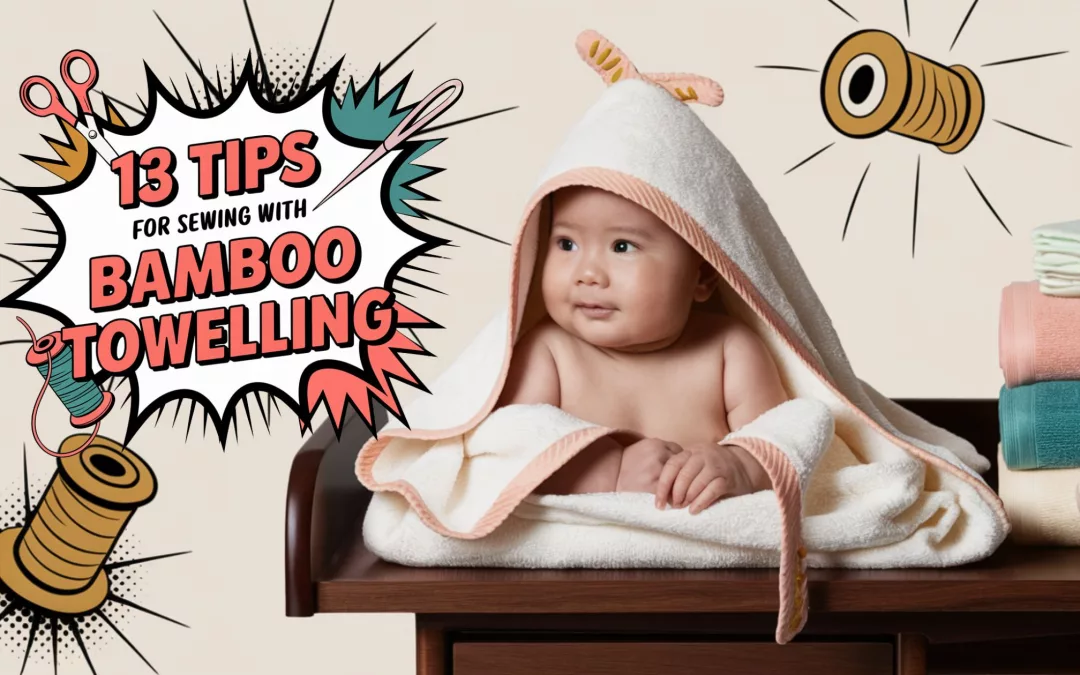
    13 Tips For Sewing With Bamboo Towelling Fabric

    13 Tips For Sewing With Bamboo Towelling Fabric

    Bamboo is one of the most sustainable sources on the planet, but did you know that it can be used to produce a soft, strong and eco-friendly textile that is perfect for keeping cosy, mopping up spills and a variety of re-usable projects?!

    Non? Well!  In this guide we’ll be talking aaalllll about bamboo towelling fabric, sharing how this super-fabric is made and giving you 13 sewing tips for handling this fluffy little fella of a fabric…

    (more…)
    10 Tips For Sewing With Chalk Cloth Fabric

    10 Tips For Sewing With Chalk Cloth Fabric

    In this comprehensive guide to sewing with Chalk Cloth, you will learn 10 tips for sewing with chalk cloth fabric. In addition, you will also learn the benefits of using it for your different projects.

    Look at our amazing Chalk Cloth it is so much fun to stitch with.

    It works exactly like a traditional chalk board but it is a fabric. You can write on it, draw on it and the great thing is, it’s wipe clean, so that you can use it again and again.


    (more…)

    Have the best dressed table this Christmas!

    Have the best dressed table this Christmas!

    Say cheers at a table filled with gorgeous luxury table place settings this year and have the best dressed table this season! Because we have lots of ideas and inspiration for your Christmas 2021 table decor.

    Our fab new table linen kits are available to purchase in both RED & GREY colourways featuring Makower’s Scandi 2021 collection.

    In addition, if you purchase one before 18th July 2021 you’ll save 10% AND gain access to our 3 FREE Christmas projects!

    Christmas Table Linen Kit


    The kit has been designed with the busy Seam-Star in mind.

    Moreover, not only is this a simple project, each element comes together FAST as well! For this reason, we reckon you can sew the whole kit and make a luxury table place settings in around 4 hours! (more…)