Our site is getting a makeover! Please bear with us whilst we make improvements

How To Make A Zippered Money Apron

How To Make A Zippered Money Apron

As I’ve previously mentioned we’re going on the road which of course means there’s been a ton of things to think about and organise, one of which is what would we do  with money on the day. If you follow me on Instagram then you will have seen me whip up some of these aprons a few weeks ago and I’m really please with how they’ve turned out. I had a few criteria, I wanted them to have a zip, I wanted a pocket for my phone and I wanted to make them from denim so they were super durable and wouldn’t need any kind of interfacing and most importantly so the Plush Boys would be happy to wear them. I didn’t want any kind of seam at the bottom of the apron to eliminate bulk and save myself a step. You could equally use 2 smaller pieces of fabric for the aprons and sew at the bottom but for some reason I was quite set on not having a bottom seam (maybe I am worried all of my money might fall out!) These aprons would be perfect for you to use at a craft fair if you have any coming up and will keep all your pennies safe and secure. (more…)

A Fabric Guide To Corduroy: What’s In A Wale?

A Fabric Guide To Corduroy: What’s In A Wale?

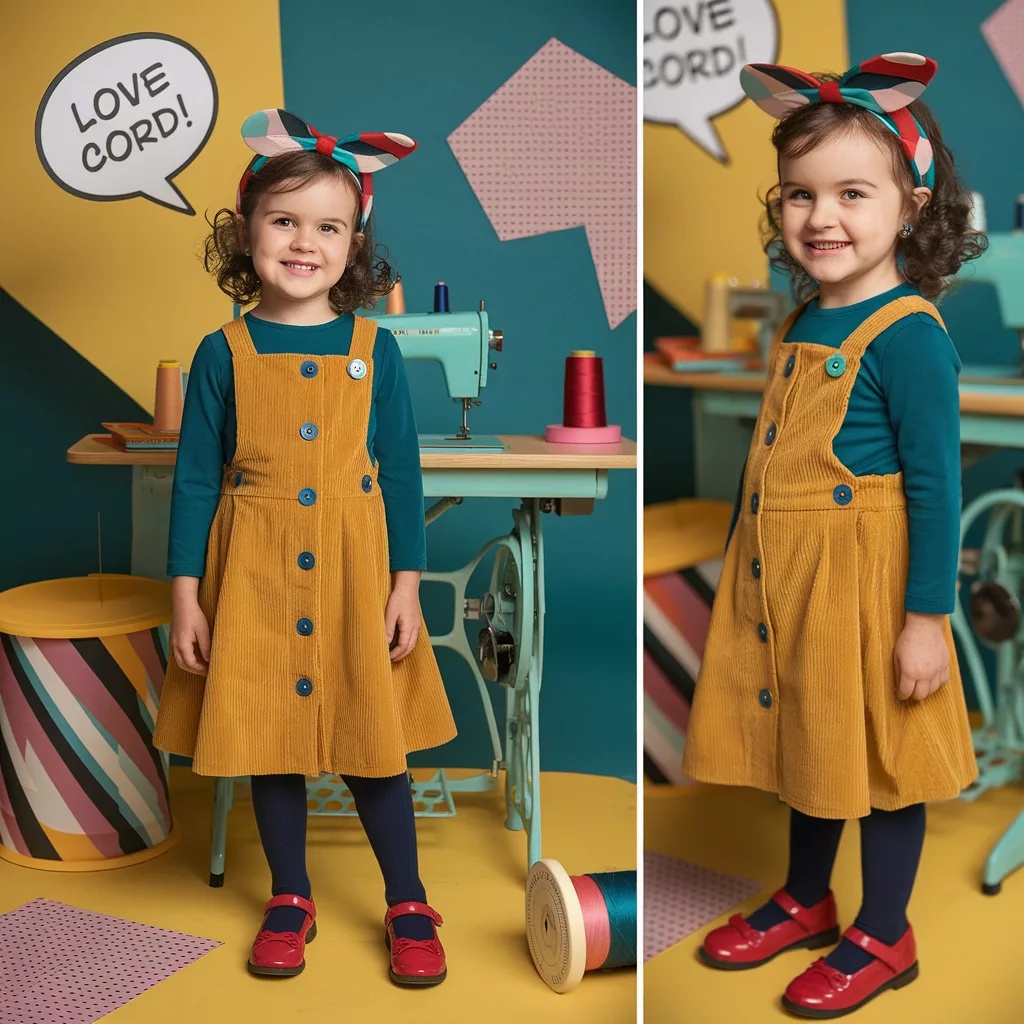
I still remember the first time I worked with corduroy – it was equal parts thrilling and daunting. The velvety texture seemed alive, slipping through my fingers and challenging every sewing skill I thought I had mastered. But when I finally finished my first corduroy project – a pinafore dress for my daughter – the sense of accomplishment was unmatched.

Corduroy isn’t just a fabric; it’s a statement. From its royal origins to its role in modern fashion, this textured classic is back and bolder than ever. Whether you’re a fashion enthusiast or a sewing hobbyist, corduroy’s versatility and charm make it a must-have in your fabric collection.

Whether you’re sewing your first project or revisiting this classic fabric with new eyes, corduroy has a way of transforming the ordinary into something extraordinary. Let’s explore its history, decode its unique characteristics, and uncover the secrets to mastering this iconic textile. Ready to stitch a little history into your next project?

What Does Corduroy Mean? The Royal Origins of This Beloved Fabric

Dive a little deeper into the etymology of our beloved fabric, and you’ll find that “Corduroy,” believe it or not, tips its hat to the French phrase *cord du roi*, translating to “cloth of the king.”

How’s that for a royal endorsement?!

This moniker harks back to an era when corduroy wasn’t just fabric; it was a symbol of service and loyalty, woven into the very uniforms of French royal servants during the opulent 17th and 18th centuries.

Today, the notion that corduroy once dressed the servants of French royals adds a layer of historical intrigue to our modern appreciation of the fabric. It’s a testament to corduroy’s versatility and enduring popularity.

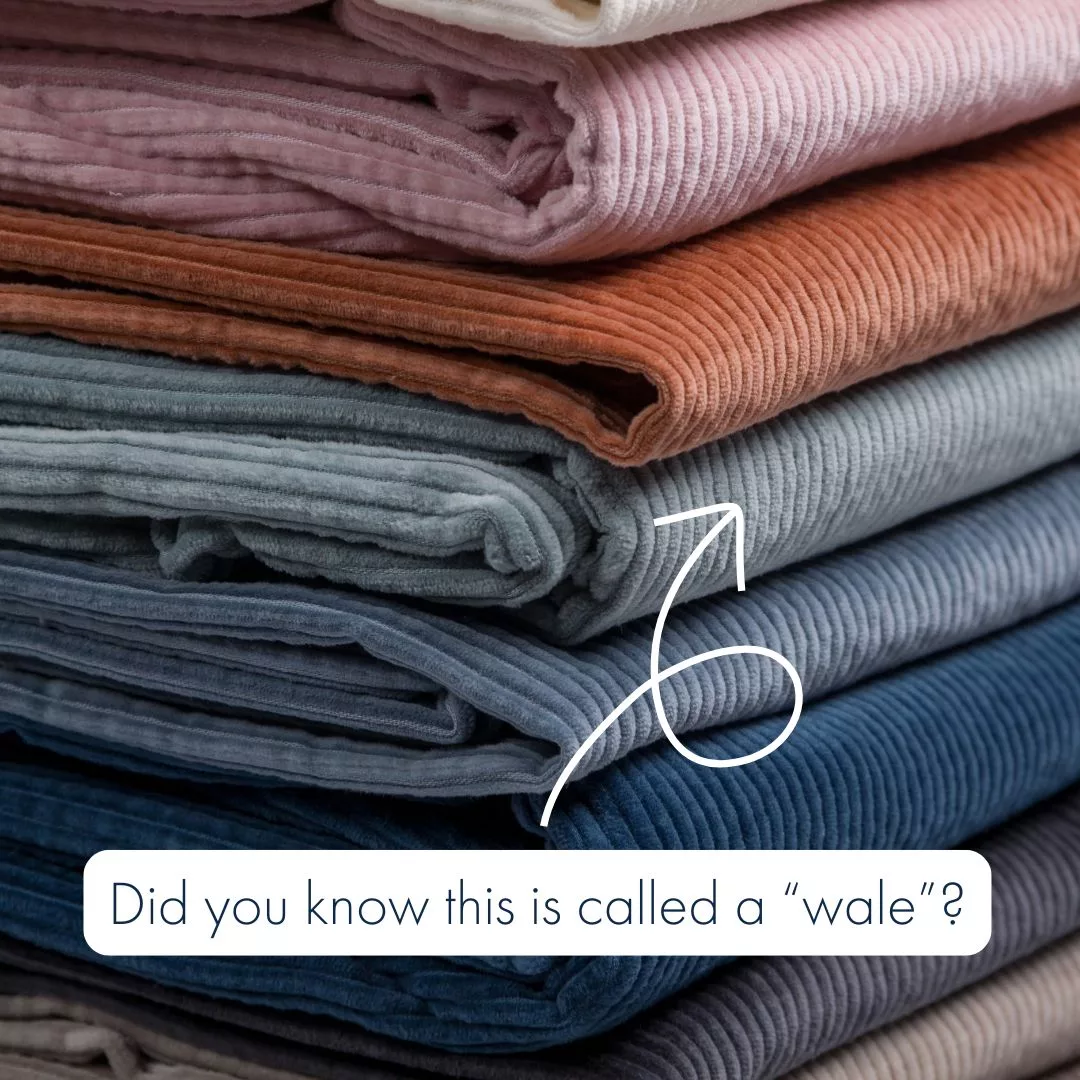
What is a Corduroy Wale?

What’s in a wale? Wale, in corduroy terms, refers to those distinctive vertical ribs or cords that give the fabric its personality and texture. But here’s where it gets interesting: the size of the wale can completely transform the look and feel of your garment.

Wale 101: The Basics

A wale count refers to the number of ribs per inch. High wale counts mean finer, denser ribs (think sleek and sophisticated), while lower counts are all about that bold, textured look (hello, statement piece!). Choosing the right wale is like choosing the right accessory for an outfit—it can make or break your look.

Wale refers to the vertical ribs that define corduroy’s texture, and it’s a crucial detail for sewists. Here’s a quick guide:

  • High Wale Count (e.g., 12-14): Fine, dense ribs for a sleek, elegant look—perfect for shirts and dresses.
  • Low Wale Count (e.g., 4-6): Bold, textured ribs that stand out—ideal for jackets, trousers, and statement pieces.

Choose your wale count based on the project’s purpose and the visual impact you want.

How to Choose the Perfect Wale for Your Corduroy Sewing Projects

Selecting the right wale is like choosing the perfect accessory for an outfit—it can make or break your look. For beginners, start with mid-wale fabrics (8-10) for balanced texture and versatility. Advanced sewists can experiment with contrasting wale counts within a single design to create visual depth and interest.

Corduroy for First-Timers: A Beginner’s Guide

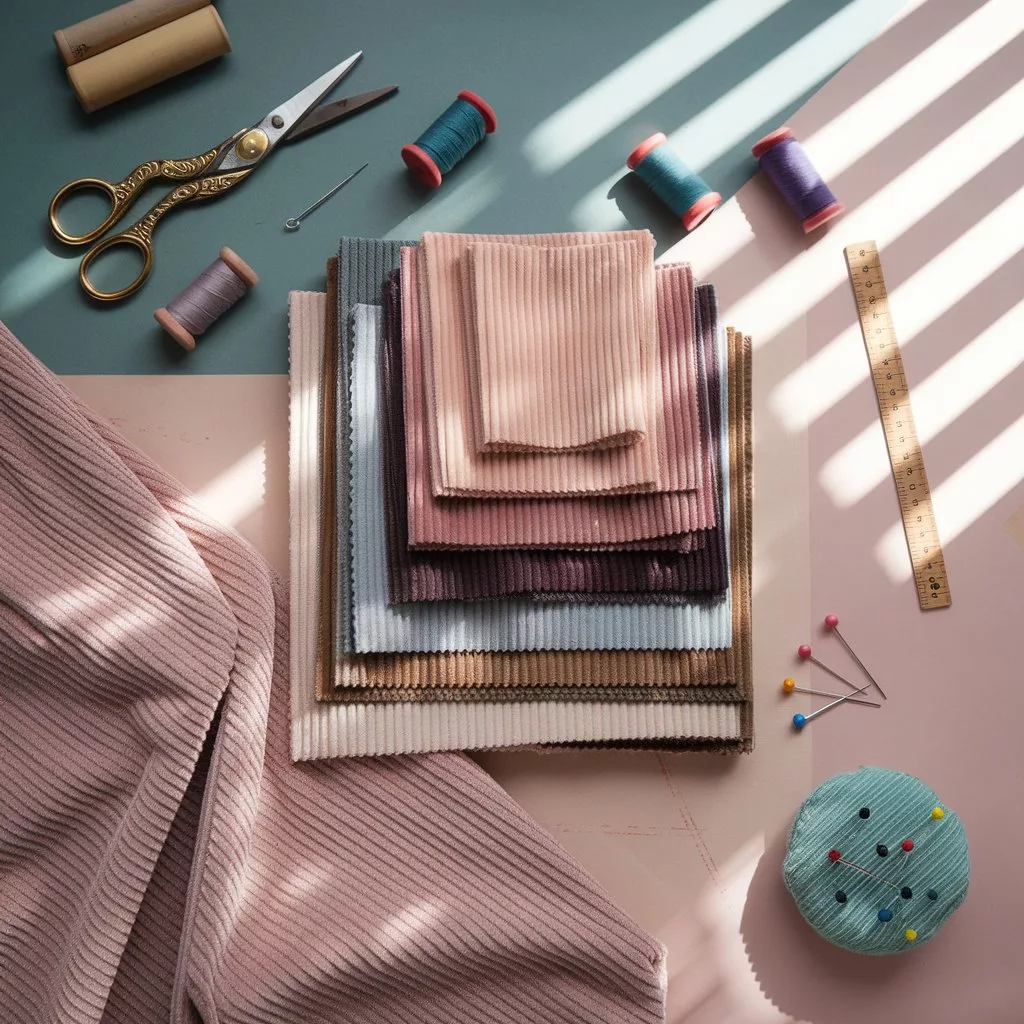
If you’re new to sewing with corduroy, don’t worry—you’re not alone. This fabric, with its unique ridges and luxurious texture, can seem a little daunting at first. But with a few simple tips and starter-friendly projects, you’ll be well on your way to creating something beautiful.

Why Corduroy is Perfect for Beginners

  • It’s sturdy and forgiving, making it ideal for practice.
  • Its texture adds visual interest, even to simple designs.
  • Available in various wale counts, it suits a range of projects.

Beginner-Friendly Corduroy Projects

  • Cushion Covers: A simple square shape lets you focus on straight stitches and aligning the nap.
  • Tote Bags: Perfect for experimenting with wale texture without too many complex seams.
  • Headbands or Hair Scrunchies: Quick, satisfying, and a great way to use up scraps.

Tips to Get Started

  • Choose a High Wale Count: Smaller ridges are easier to sew and create a more refined look.
  • Stick to Simple Patterns: Focus on basic shapes and straight seams to build your confidence.
  • Take Your Time: Corduroy’s texture demands care, but the results are worth it!

Remember, every sewing journey starts with a single stitch. Corduroy may seem a little tricky, but it’s also incredibly rewarding. With these beginner projects, you’ll master this timeless fabric in no time.

Sewing with Corduroy: Tips to Master the Nap and Avoid Common Mistakes

Corduroy’s nap is its defining feature, but it requires care. Follow these tips:

  1. Cut in One Direction: Always align your pattern pieces in the same direction to maintain a consistent look.
  2. Mark the Nap: Use tailor’s chalk to indicate the nap direction on the fabric’s back.
  3. Adjust Your Tools: Use a walking foot and an 80/20 needle to handle the fabric’s ridges with ease.

Mastering the nap ensures your finished garment looks professional and polished.

Why the Nap Matters

When sewing with corduroy, aligning the nap is crucial. It affects the colour and sheen of your garment. Light hits those ridges differently depending on their direction, giving your piece that lush, velvety look.

Top 10 Sewing Tips for Working with Corduroy: Tools, Techniques, and Finishes

  1. Cut in One Direction: Always cut your pattern pieces in the same direction. Consistency is key to avoiding a mismatched, patchwork appearance.
  2. Cut with Care: Corduroy demands precision in cutting. Those wales are vertical lines and it will be so obvious if you cut your fabric on the wonk. Lay your fabric flat, ensuring all pieces are aligned in the same direction, and measure the grain line arrow parallel to the selvage edge – make sure it’s even, ok?!
  3. Mark the Nap Direction: Before you cut, take a moment to mark the direction of the nap on the back of your fabric. A simple arrow with tailor’s chalk can save you a world of confusion later.
  4. Pinning and Marking: Use fine, sharp pins to avoid marking the fabric’s surface. Consider using tailor’s chalk or a disappearing fabric marker for any markings.
  5. The Right Needle and Thread: An 80/20 needle is a safe bet with a stitch length of 2.3-3mm. Paired with a strong, high-quality thread, will help you stitch through corduroy’s ridges. You may wish to loosen your top tension or use a walking foot if you find the fabric is travelling a little – the nap might cause this to happen.
  6. Stitches and Seams: Opt for slightly longer stitches to accommodate the fabric’s thickness and texture. When it comes to seams, pressing open and trimming or grading seam allowances will reduce bulk and maintain the garment’s silhouette.
  7. Pressing Matters: Pressing corduroy requires a gentle touch. Use a press cloth to protect the nap from becoming crushed or shiny. Steam and a lifting motion, rather than dragging the iron, will keep the fabric’s texture intact. Think of it as grooming a thoroughbred; finesse is key.
  8. Handling Stretch Corduroy: If you’re venturing into the realm of stretch corduroy, remember to use a ballpoint needle and a stretch stitch setting on your machine.
  9. Finishing Touches: Consider serging or using a zigzag stitch on raw edges to prevent fraying. For a truly noble finish, adding a lining can elevate your garment, providing both comfort and a glimpse of luxury befitting its royal roots.
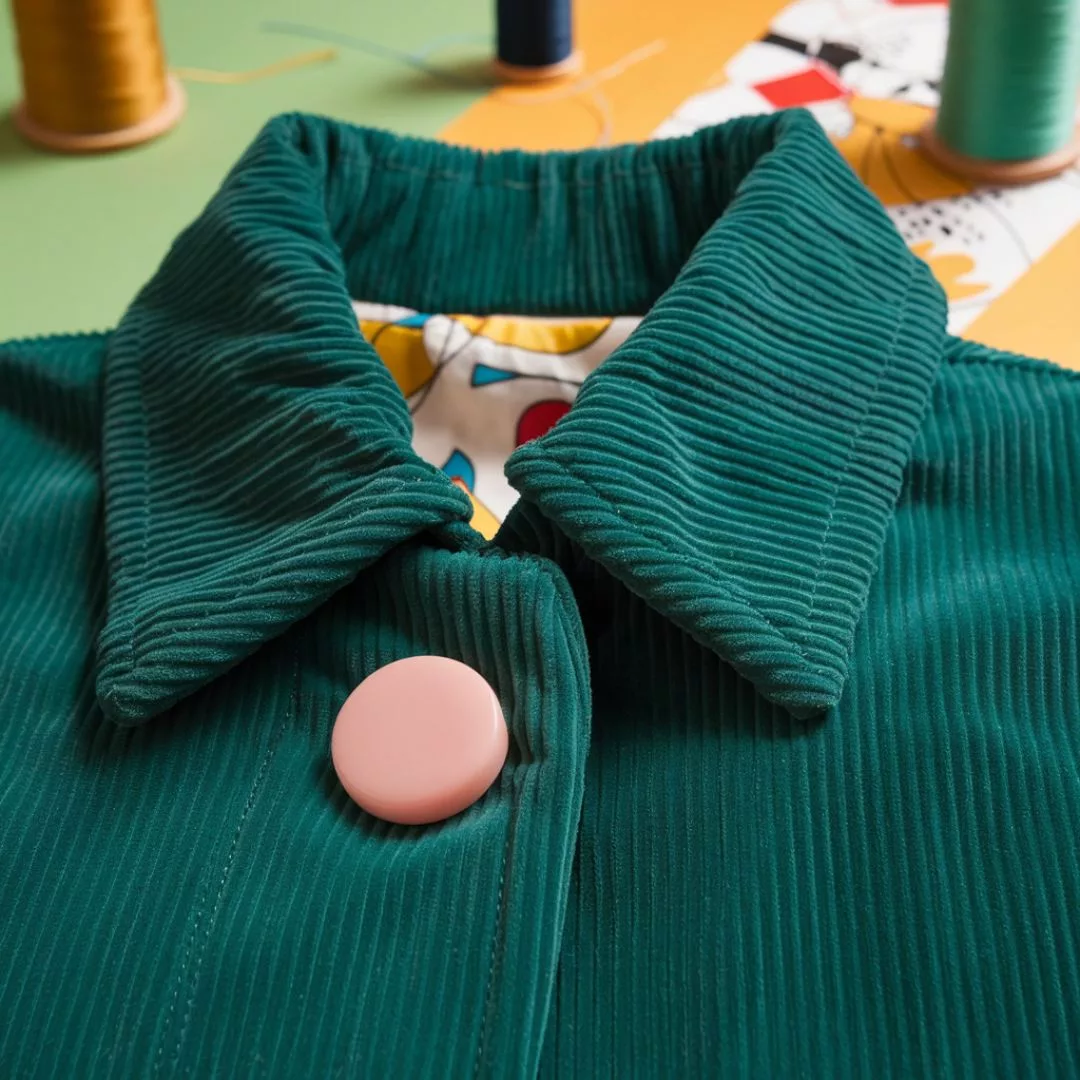
  10. Embrace the Nap for Texture: Feeling adventurous? Use the nap to add texture and depth to your design. A pocket or collar against the nap can add a subtle contrast, making your piece pop. Be warned though – a little goes a long way.

Join our Sewing Community: Share Your Projects and Learn More

What’s your take on corduroy? Is it a fashion yes, or a hard no

Love this dive into corduroy’s storied past? Subscribe for more textile tales, and don’t forget to ❤️ and share your thoughts below. Feel free to spill your ‘corduroy confessions’ in the comments – I’d really appreciate it!

Tutorial : DIY Make Up Bag With a Pretty Lace Edge Zip

Tutorial : DIY Make Up Bag With a Pretty Lace Edge Zip

We wanted to spoil you with a little sewing wizardry in this tutorial; this handy make up bag is just the right size for the essentials and conveniently fits in a handbag. Make one for yourself or as a gift to make someone a smile.

And the magic you ask – Odicoat! This clever gel gives fabrics a waterproof coating that is machine washable!

Grab a cheeky 10% discount off your next Odicoat order with WATERPROOFME10 One time use per customer.

Then for an extra flourish we’ve gone with a lace edged zip; we’re crazy about the way they take projects to another level. Once you get to grips with them you’ll be adding them to everything too!

(more…)
We’re Supporting “Dressability”, Can You Too?

We’re Supporting “Dressability”, Can You Too?

copy-Hi-res-logo If you’ve been to one of our open days you’ll know that we like to lay on some refreshments and always have tea, coffee and some lovely cakes for you to nibble on. We know people can travel quite a distance to see us and we also know it’s always very welcome to get a brew when you arrive. Everybody is rather glad of the hospitality but so many people are surprised that it’s free and it’s been suggested that we should have a charity box so people can make a donation if they wish. (more…)