Our site is getting a makeover! Please bear with us whilst we make improvements

What is Fusible Woven Interfacing and How To Use It

What is Fusible Woven Interfacing and How To Use It

How to use Fusible Woven Interfacing?

Boring Legal Bit: If you follow any tutorial or guidance found in this post, or on this blog, you agree to be bound by our disclaimer which can be viewed here

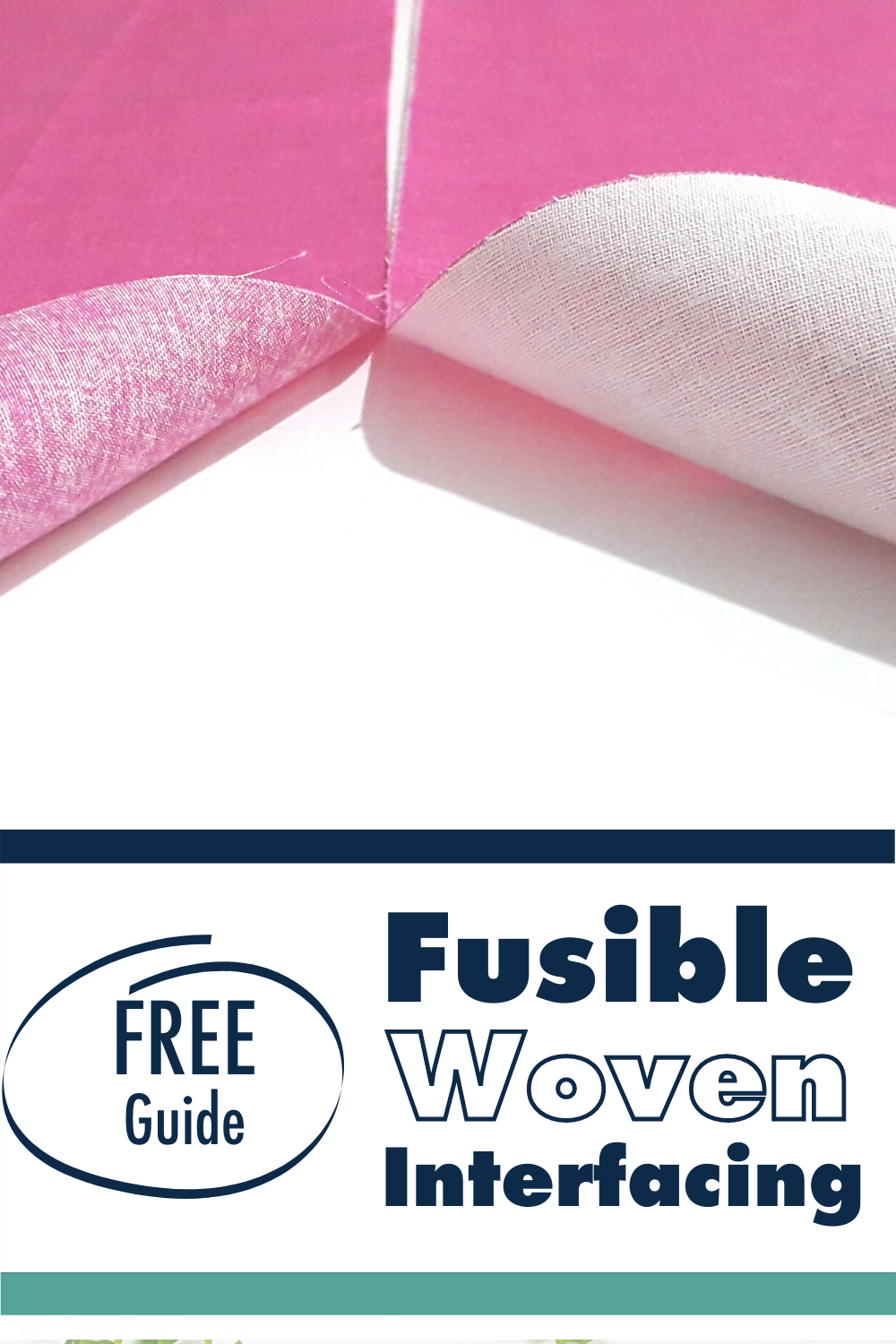
You have probably noticed our slight obsession with fusible woven interfacing, we use it in lots of our tutorial projects. But it’s easy to see why: check out the ‘spring’ in the fabrics in the photo above – the fabric with interlining sits higher and rolls into a smoother curve.

In this guide, we’re going to talk you through the benefits of woven interfacing and why we love it SO much, give you some project inspiration and walk you through the correct way to apply woven interlining to your fabrics.

What is Fusible Woven Interfacing?


Fusible woven interfacing is actually a “normal” piece of fabric with warp & weft threads that are woven together in the traditional way. A layer of adhesive glue is applied to one side which will adhere to other fabric once an iron is applied.

Don’t know your warp from your weft? Check out our Beginner’s Guide to Fabric Basic Post

Woven interfacing (or interlining) is a great way to give your projects a little more structure, making fabrics easier to work with and it’s super simple to apply. Medium weights are great for quilting cottons in projects like cushions; they will sit better but still feel “squishably” soft and it can help non-padded little bags and pencil cases hold their shape.

Grab a cheeky 10% discount off your next Fusible Woven Interfacing purchase with WOVEN10 One time use per customer.

The benefits of using woven interfacing


  • Elevates quilt cotton weight fabric to a canvas weight fabric
  • Negates the need for a lining in some projects – saves you money & time!
  • The interlining fabric is made of natural cotton fibres rather than polyester (plastic) so it’s more eco-friendly
  • It’s breathable as it’s a natural fibre
  • It adds structure
  • It adds a luxury feel to your project
  • Machine washable up to 60 degrees
  • Helps reduce the need for ironing on some projects as it retains shape
  • Works with light to medium weight fabrics (the fabric must withstand being ironed at heat setting 3)
  • Gives fabrics a heavier feel
  • Reduces drape
  • Excellent for adding body to quilt cottons to be used in bag making or home dec projects

Never miss a guide or tutorial from Plush Addict

Click to join our mailing list!

In-house at Plush Addict we LOVE woven interfacing for bag making, zipper pouches & cushion covers. It gives a really professional finish to your projects.

Using this interfacing for cushion covers can negate the need for a lining so it saves fabric and makes it easier – especially if you are adding a zipper! It’s also great to use for external pockets – again no lining is required!

Check out this easy reading cushion tutorial to see what we mean

Project ideas for using Woven Interfacing

Projects we’ve used this amazing product in are:
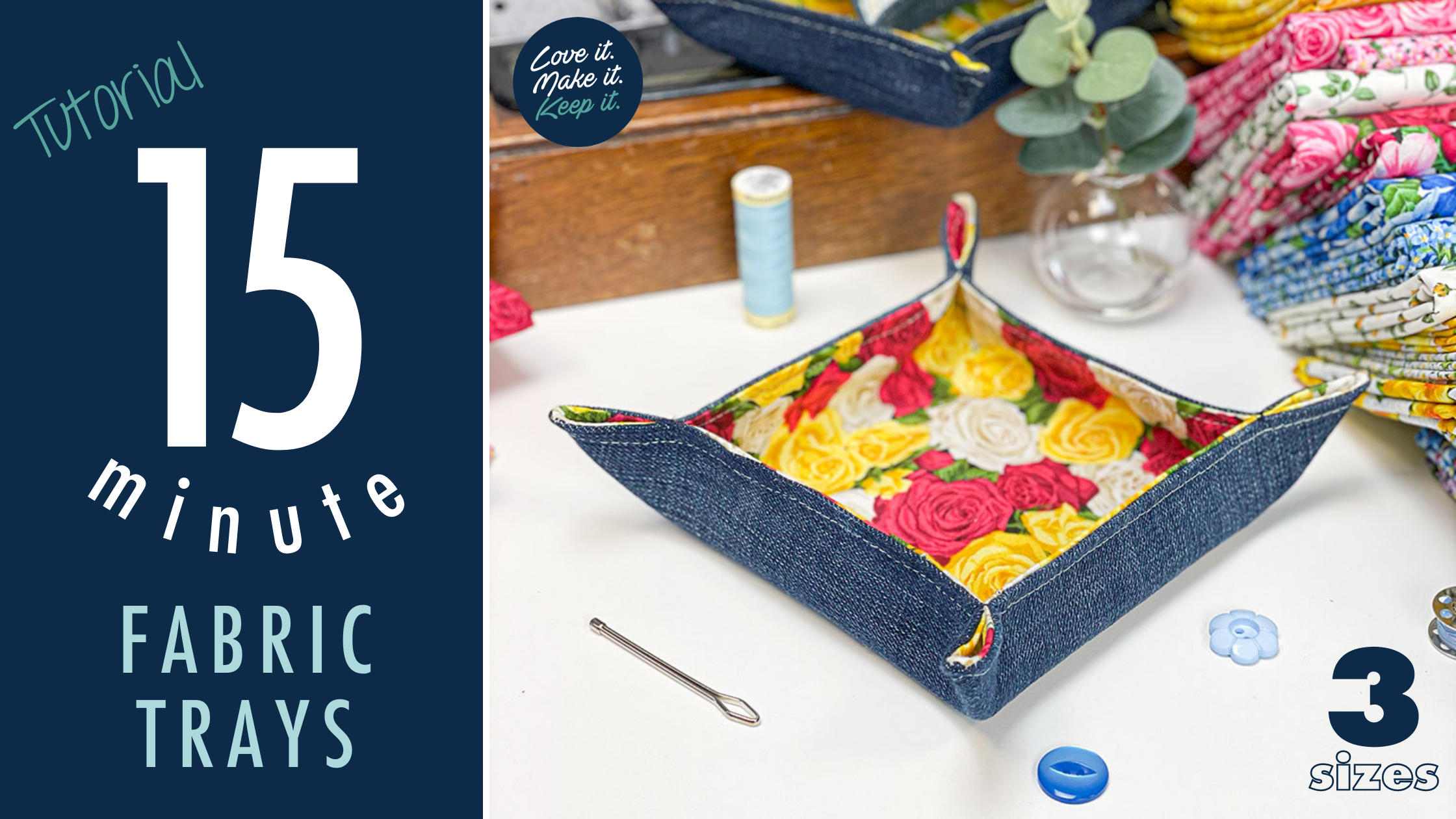
15 Minute Upcycled Fabric Tray Tutorial
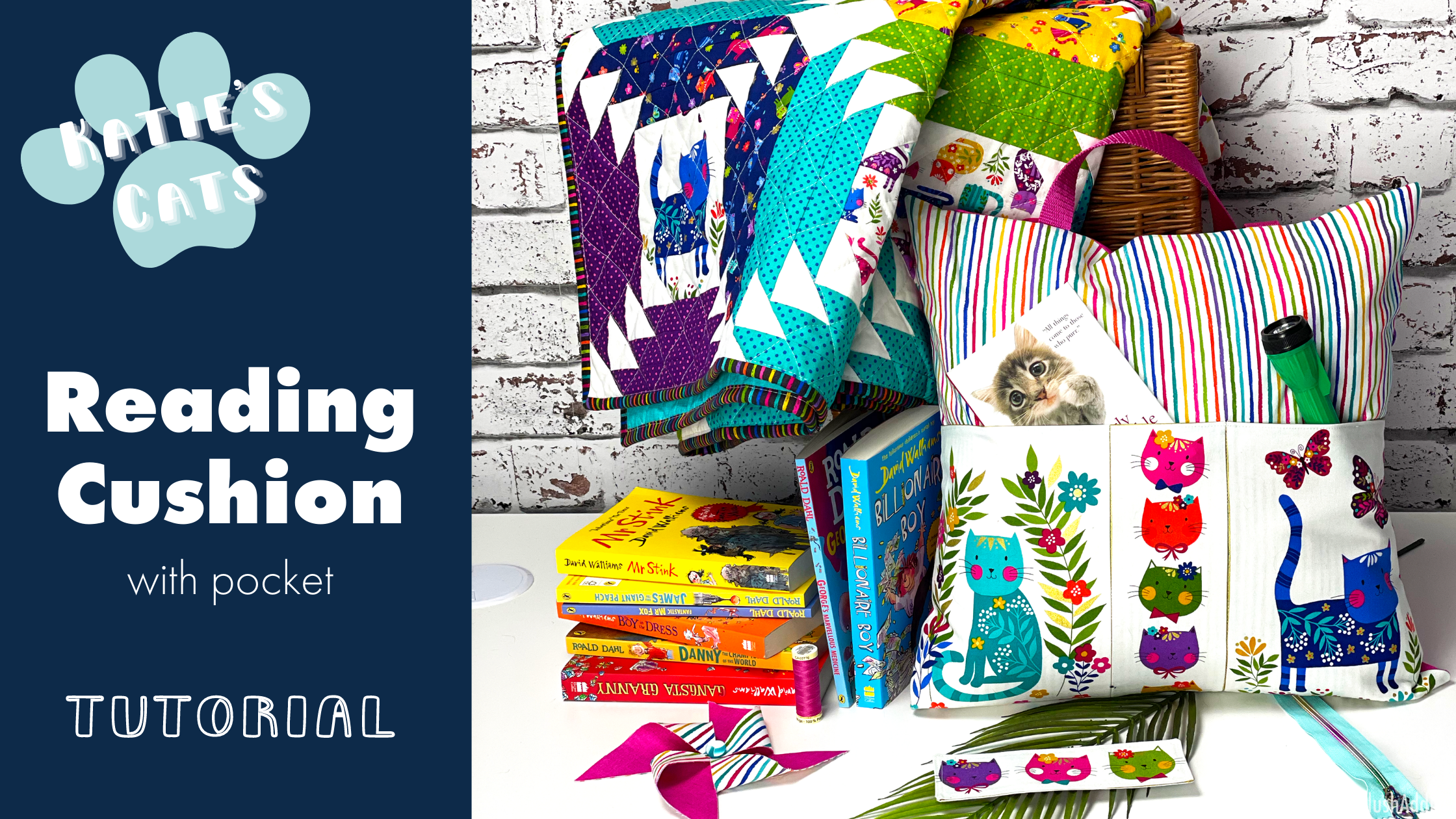
How to: Make An Easy Reading Cushion Tutorial
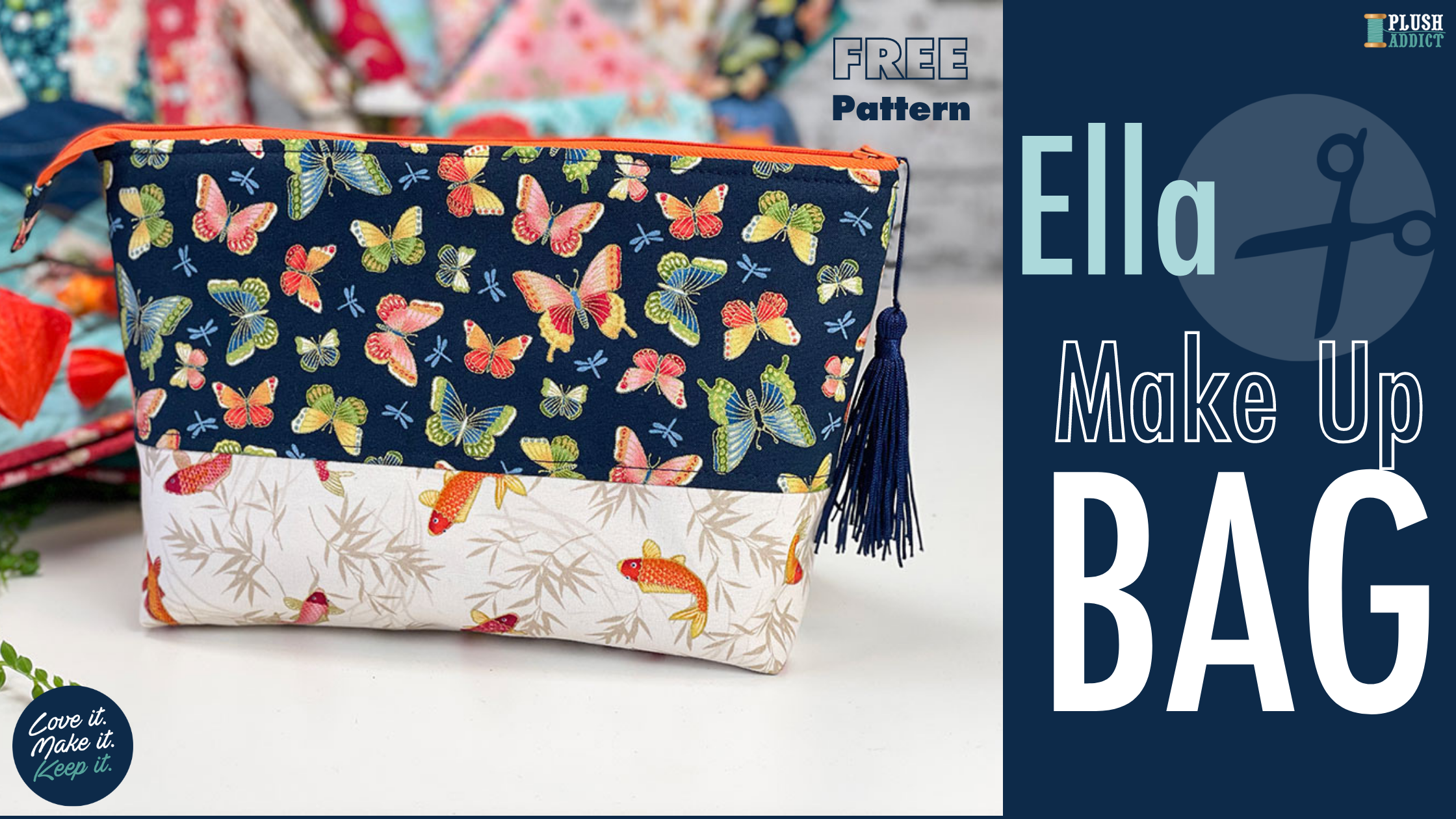
15 Minute Upcycled Fabric Sew A Make-Up Bag: Free Pattern and Tutorial
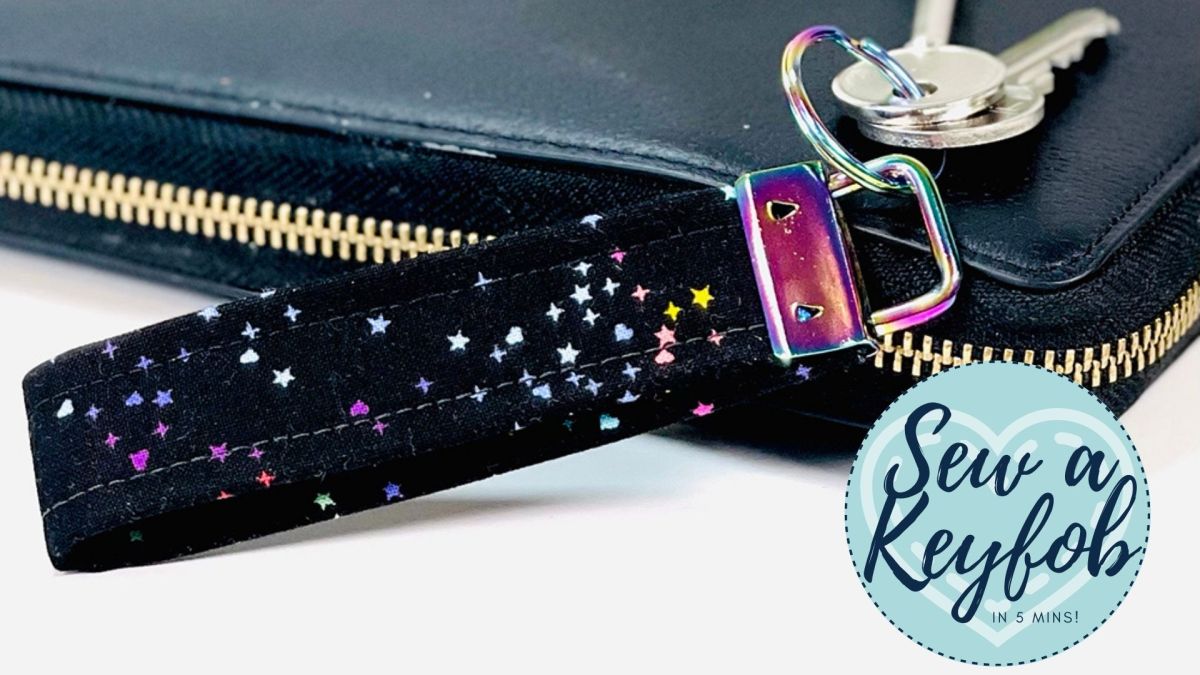
5 Minute Key Fob Tutorial
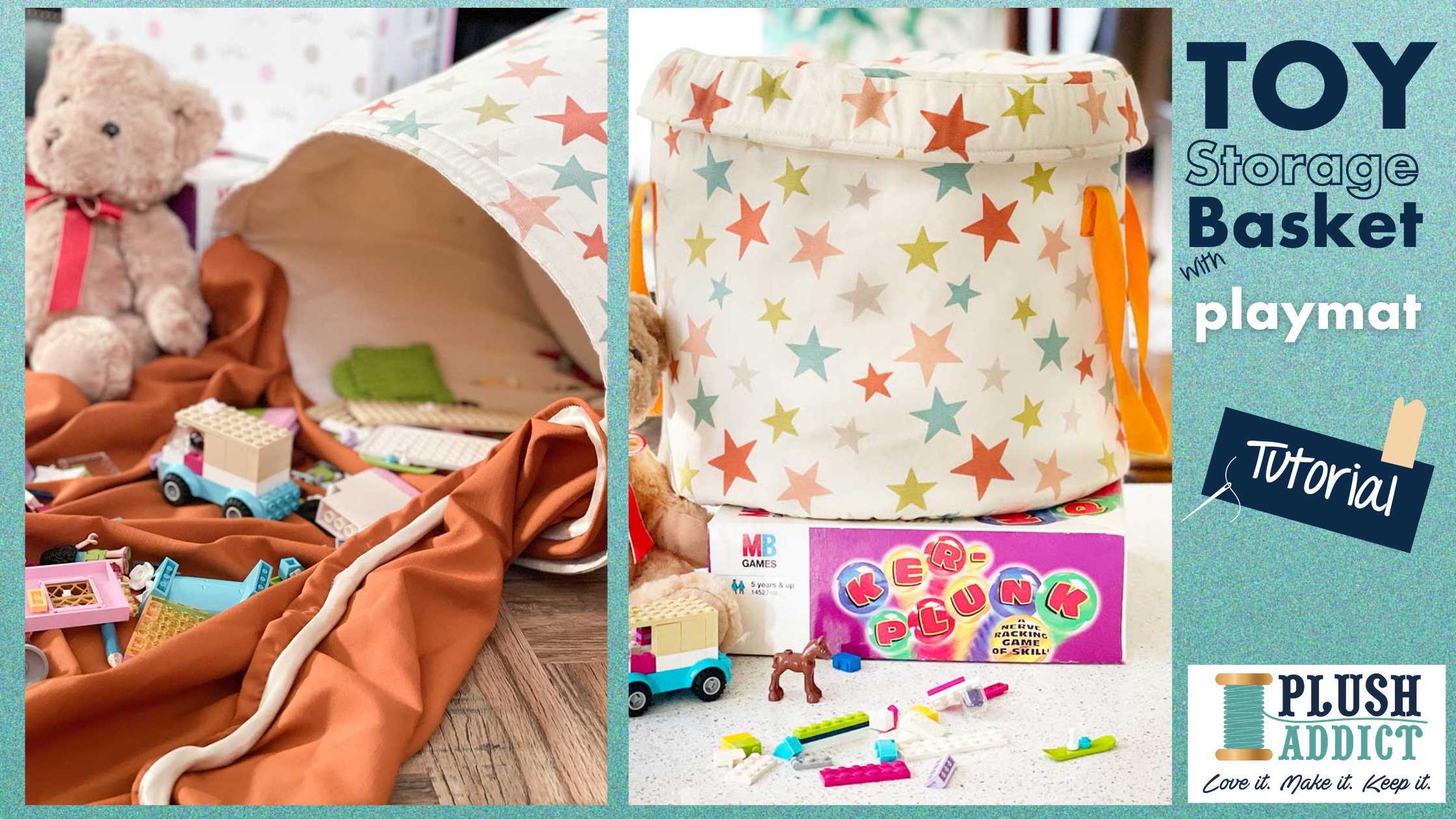
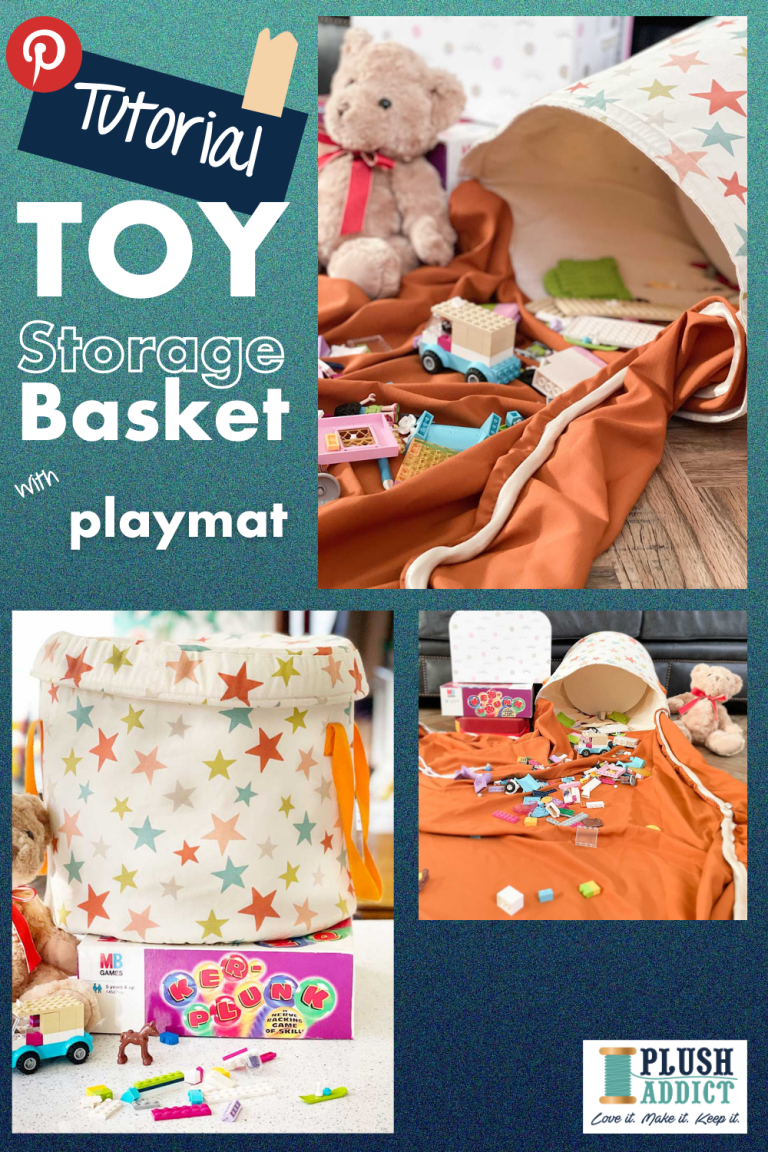
Toy Storage Basket and Play Mat Sewing Tutorial

Free DIY Toddler/Cot Bed Duvet Cover Tutorial
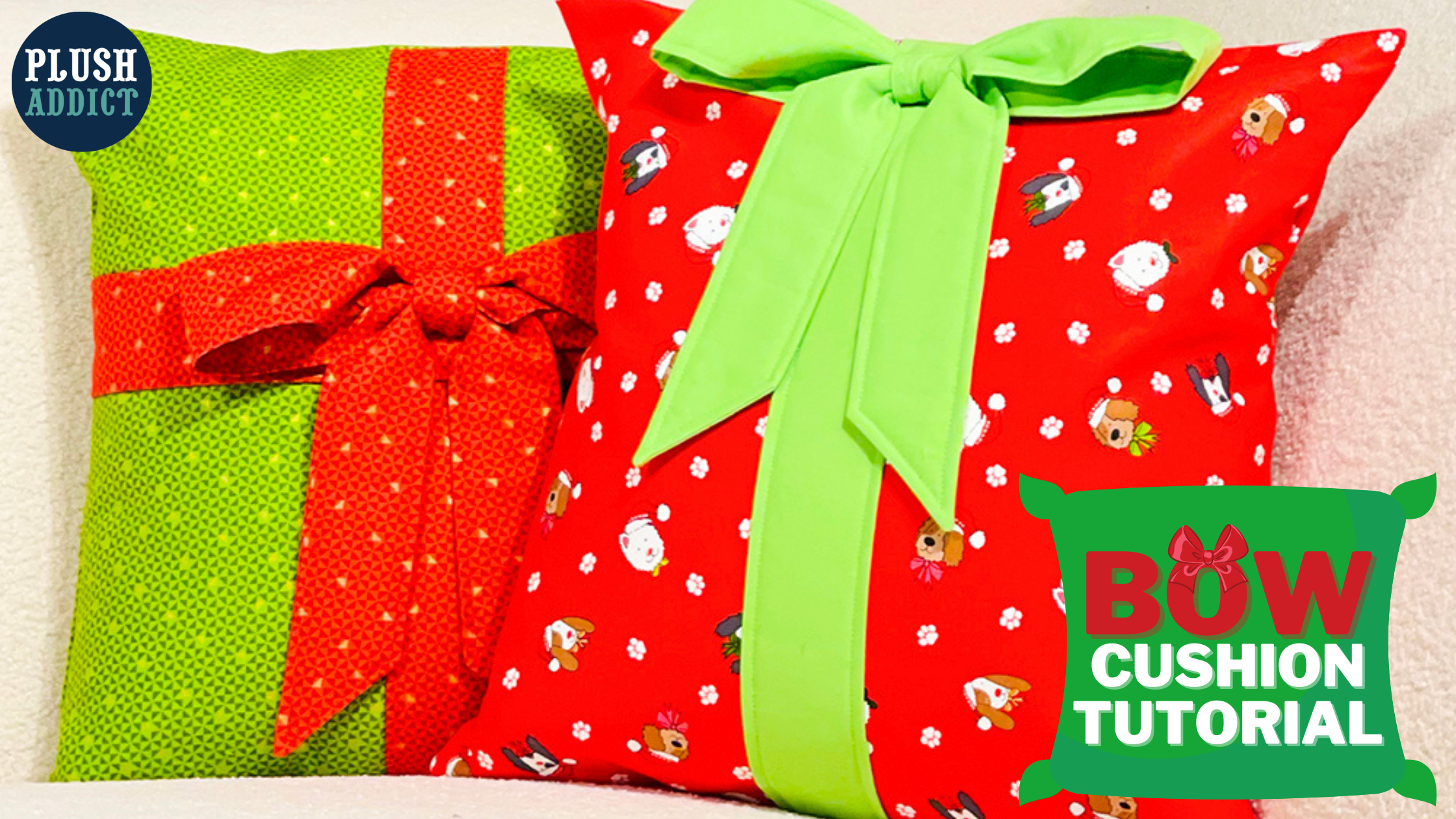
Christmas Bow Cushion Tutorial

A note on using woven interfacing in dressmaking projects

The general rule of thumb regarding using any kind of interfacing in dressmaking is that the interfacing should not be heavier than your fashion fabric. Woven interfacing is great when sewing coats, shirts etc, but it as it does reduce the drape of your fashion fabric it’s not best suited for times you wish your fabric to have a good drape.

How to apply fusible woven interfacing

You will need:

We used:

Important notes

  • Pre-wash your fabrics (not the interfacing)
  • Test interlining on a 2″ test square of the fabric to check suitability

Method

1. Cut your fabric: Fabrics can be cut to size/ shape before or after applying interfacing.

2. Smooth out the interlining adhesive side up (it feels slightly rough). Lay the fabric on top right side up with the grain lines aligned.
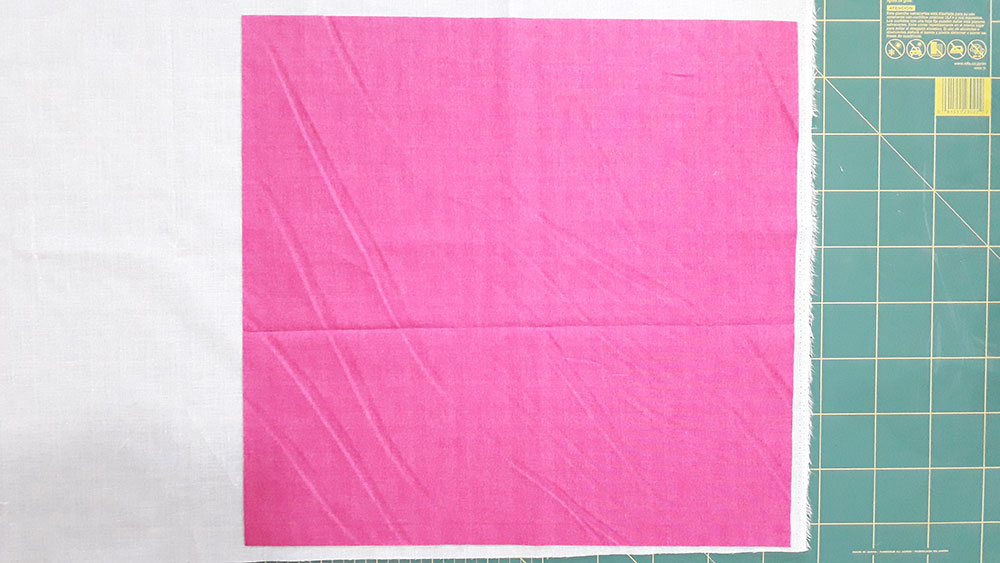
3. Cut the interfacing to the same size as the piece of fabric.
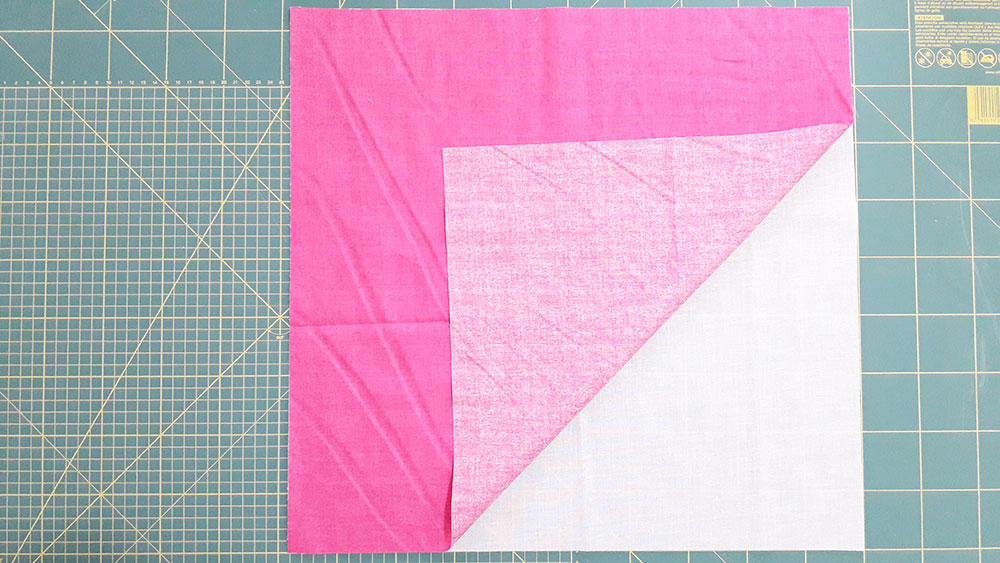
4. Place the fabric right side down on an ironing board.

5. Smooth the interfacing on top of the fabric, coated side down. Trim any interlining that exceeds the size of the fabric to prevent damage to the ironing surface, or lay on some scrap calico/ fabric
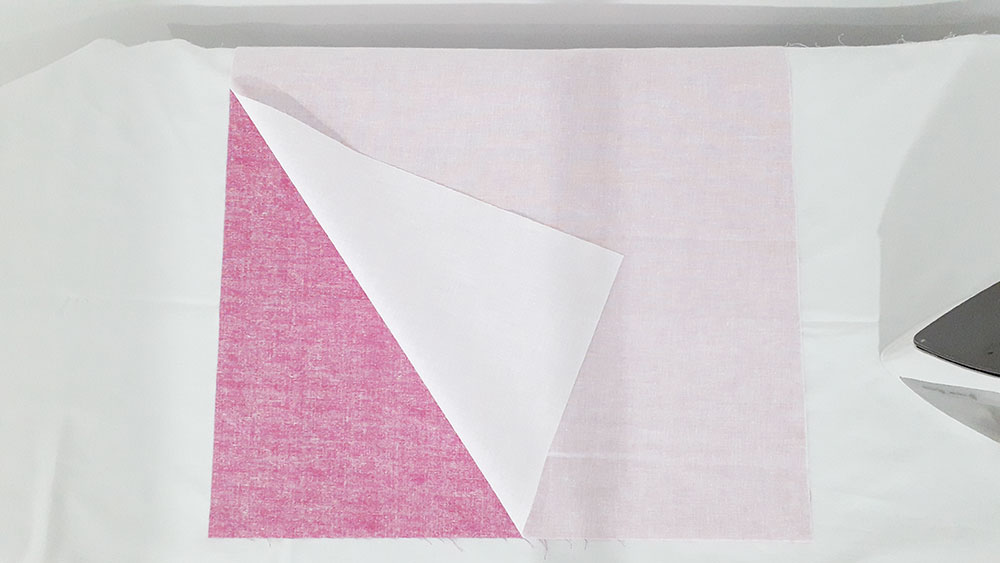
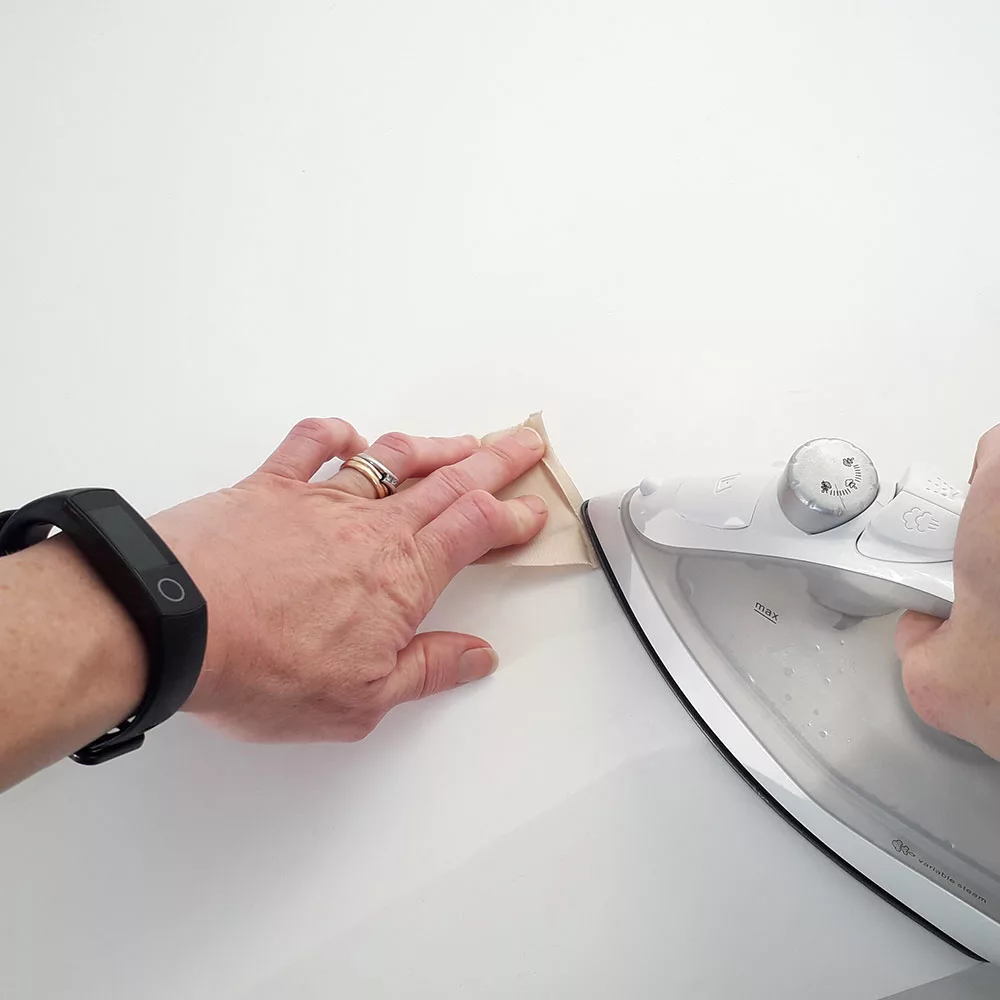
6. Cover with a smooth surfaced cloth; a tea towel or spare cotton are ideal.
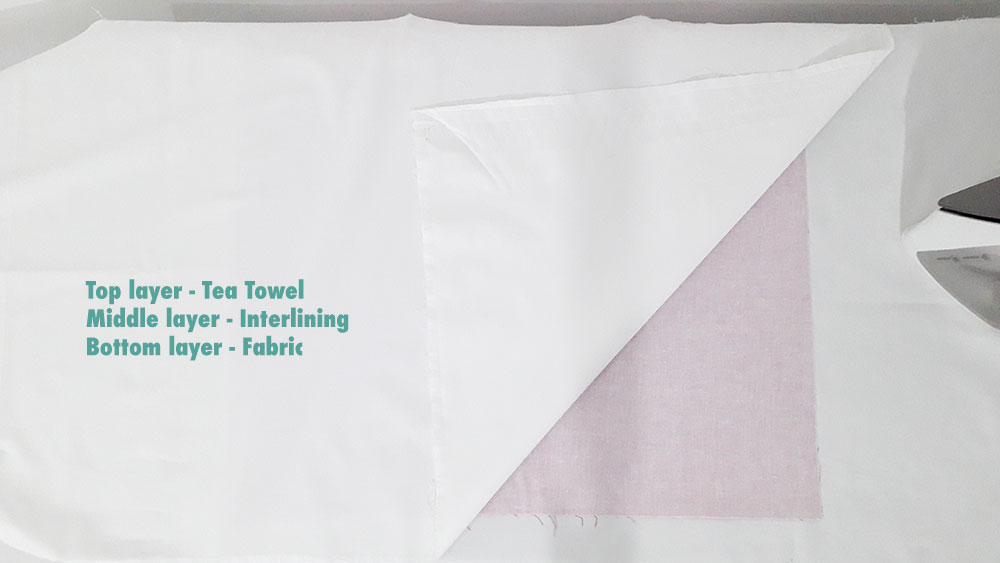
7. Lightly dampen the cover using the iron’s spray setting.

8. Adjust the iron to heat setting 3 – cotton, no steam.

9. Starting at one corner work the iron across the cover to lightly adhere the materials together, smoothing out any lumps or ridges as the iron moves across.
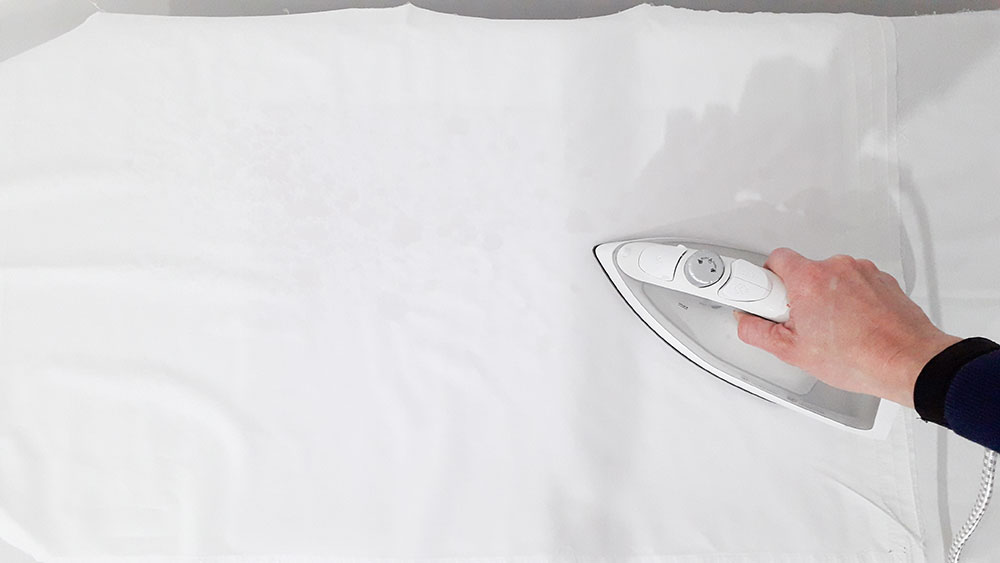
10. Lift the cover and check for any bumps. The fabric and interfacing may need peeling apart a little. Recover and lightly press.

11. Once the interfacing is smooth, dampen the cover again.
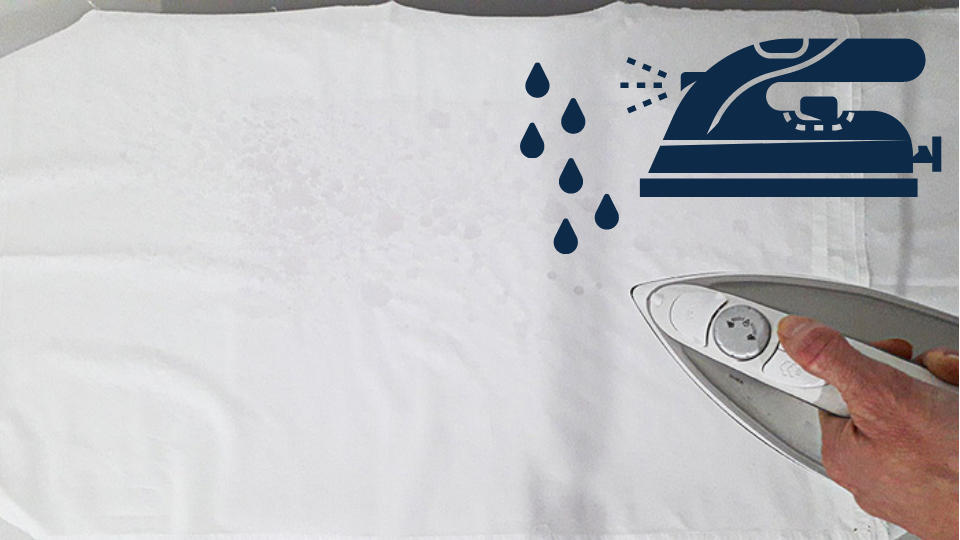
12. Press, spending 12 seconds on each area to achieve good adhesion.

13. Place the coated fabric somewhere flat to cool fully and set the adhesive.


And you’re done!

(Grab a cheeky 10% discount off your next Fusible Woven Interfacing purchase with WOVEN10 One time use per customer.)

Want to try woven interning in the wild? Here are some interlining projects you could try:
We hope you found this tutorial useful!

Let us know how you get along in the comments below 🙂

Follow @PlushAddict on social media and keep an eye out for more tutorials!

Stay up to date with the latest from Plush Addict

Click to join our mailing list!

Follow me on Instagram! @plushaddict
Toy Storage Basket and Play Mat Sewing Tutorial

Toy Storage Basket and Play Mat Sewing Tutorial

Boring Legal Bit: If you follow any tutorial or guidance found in this post, or on this blog, you agree to be bound by our disclaimer which can be viewed here

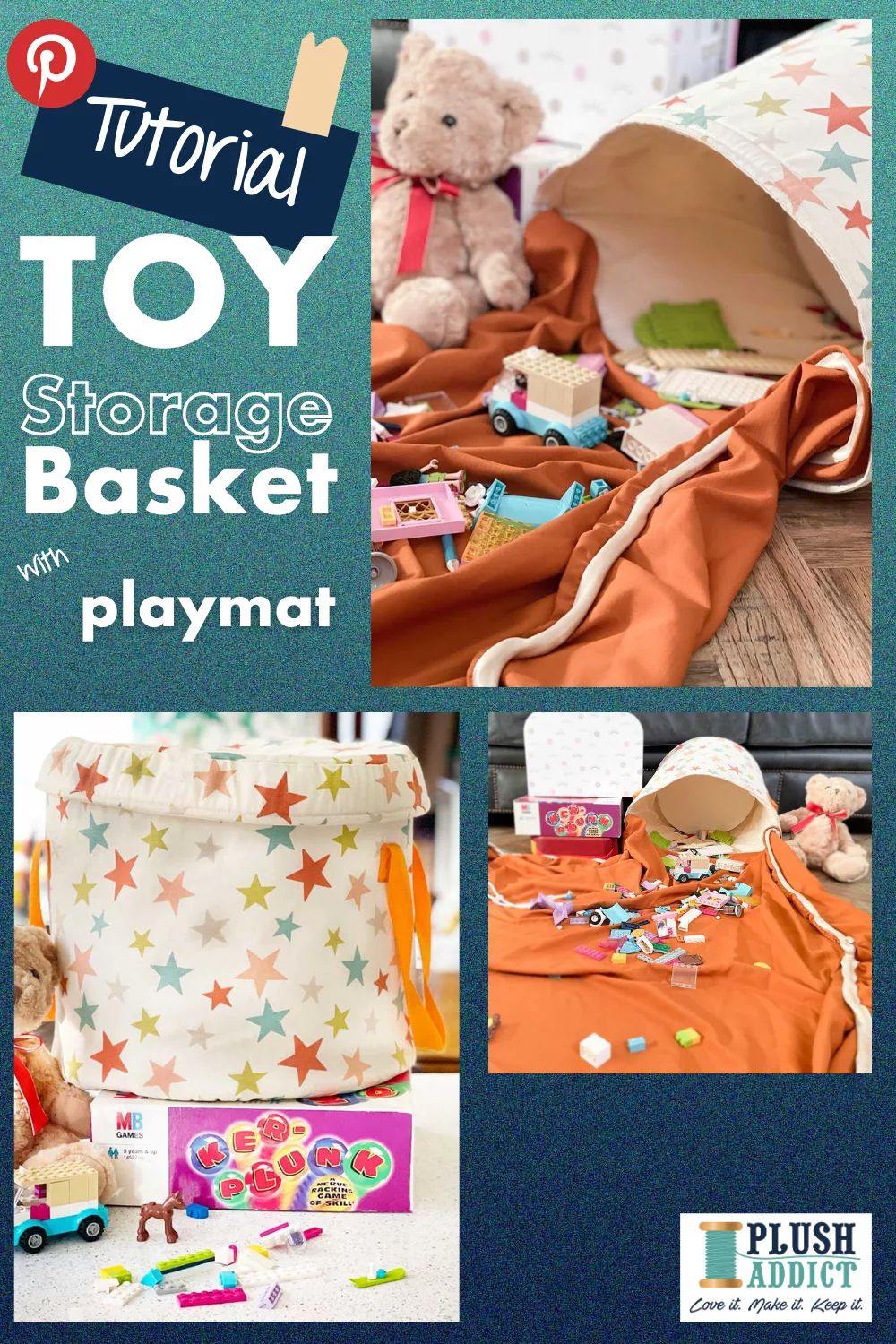
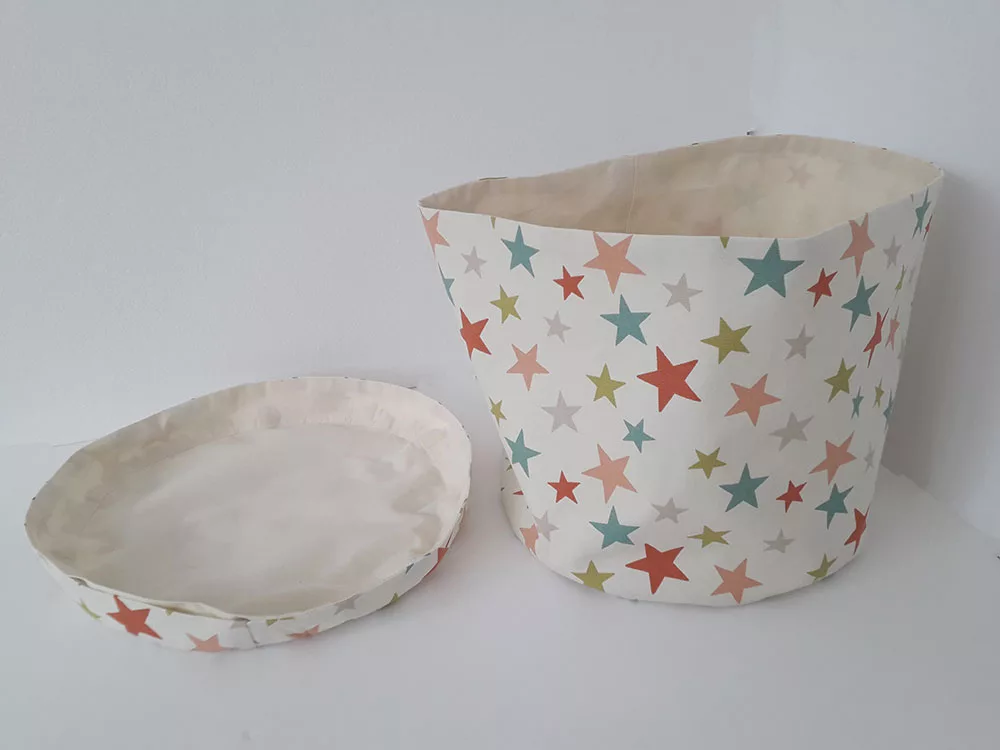
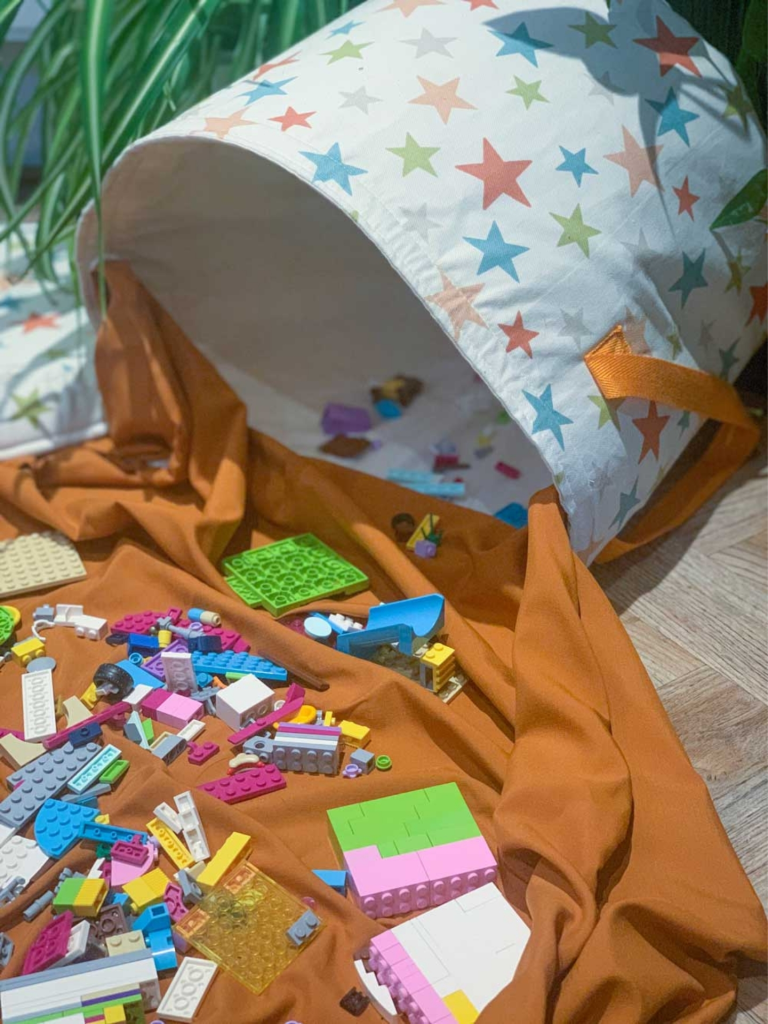
You can never have too much storage & this innovative toy storage little basket and play mat won’t only keep toys, such as Lego, stored away – it can also help with the tidying up in a flash!

To complete this project you will need to feel comfortable sewing curves through multiple, sometimes thick, layers & be accurate in your measuring & cutting.

Skill Level: Intermediate seam-star

Skills you will learn:

  • How to draft and cut circles of any size
  • How to sew curves
  • How to use foam as structure
  • Adding bias cord casing
  • How to Blind Stitch
  • How to Ladder Stitch

You Will Need:

For the basket:

For the playmat:

Sundries:

Never miss a tutorial or fabric guide…

Stay up to date with the latest by signing up to our newsletter!

Click to join our mailing list!

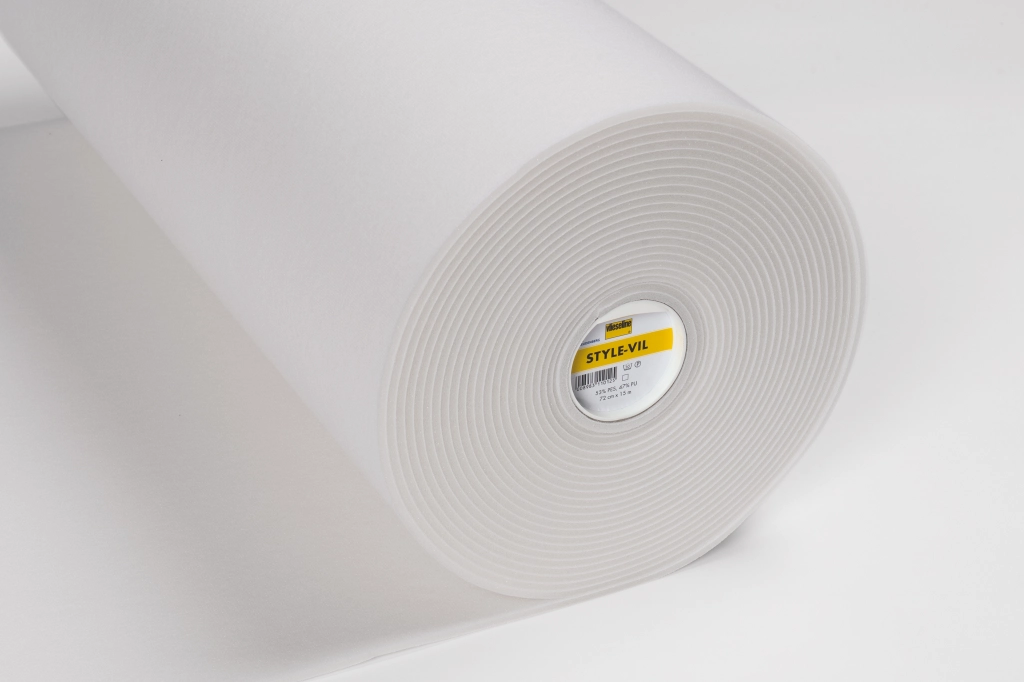
An introduction to Style-vil foam

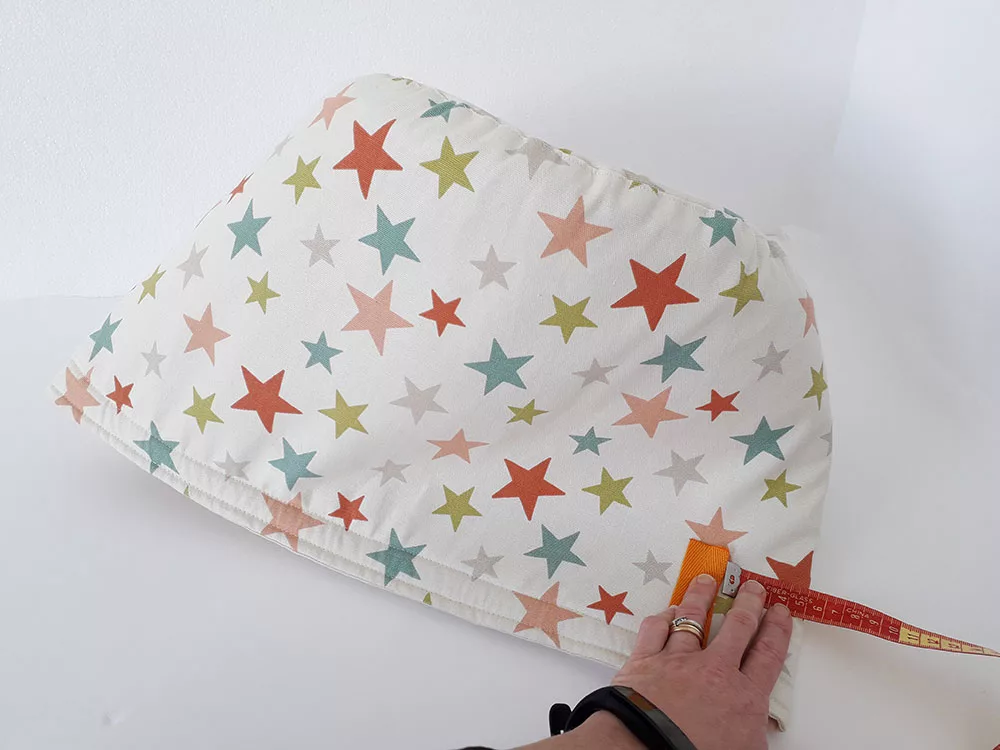
Vlieseline Style-vil is a great product to have in your sewing stash. It’s a thin foam layer which is lightweight whilst adding structure to your projects. We’ve used it here in the Toy Storage Basket to enable the fabric basket to stand up on it’s own.

Style-vil is the perfect choice for three-dimensional effects; for the padding of protective cases for mobile phones and glasses cases and it’s perfect for stabilising bags, pieces of clothing (e.g. shoulder pads) caps, hats etc.

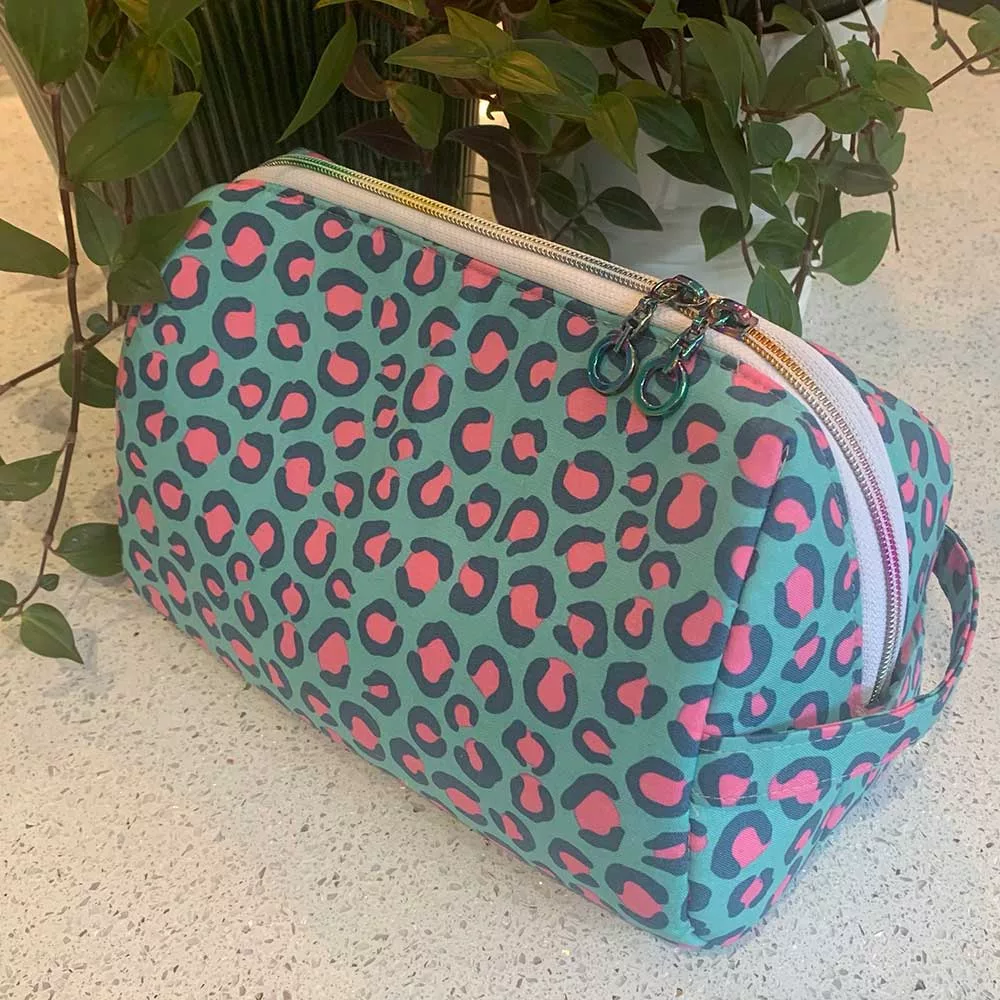
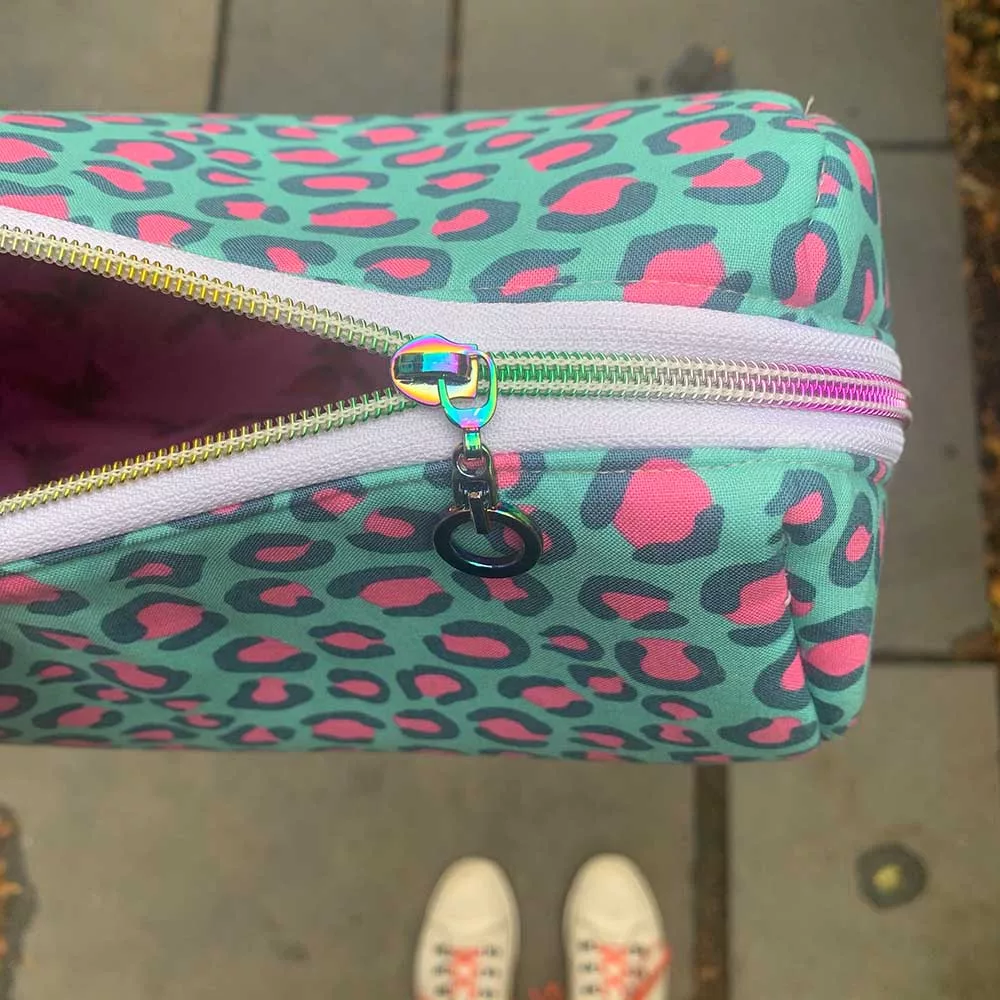
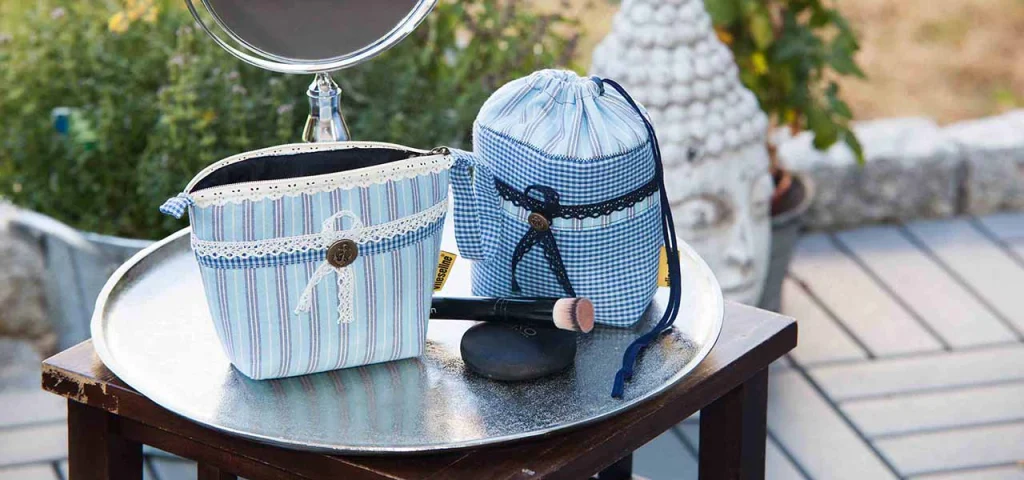
Style-vil foam is another choice to use in place of fusible fleece or wadding in projects and gives a very professional finish to your bag or pouch, especially when teamed up with woven interfacing, like in the project below ⤵️

Check out the Vliseline blog to learn how to use Styl-vil in these cosmetic bags ⤵️

Style-vil used in cosmetic bags

Important notes for sewing the Toy Storage Basket:


1.5 cm seam allowance throughout, unless directed.

For steps using machine sewing, always backstitch at the start & end unless otherwise stated.

Pre-wash your fabrics

Warning – Strangulation hazard, never leave children to play unattended.

Part 1: Making the storage basket


1. Cut out the following:

FROM BOTH THE OUTER & LINING FABRICS

  • 1 Basket side panel 107x33cm
  • 1 Lid side panel 113x8cm
  • 1 Base circle 33cm diameter*
  • 1 Lid circle 35cm diameter*

Style-Vil Foam

  • 1 Basket side panel 104x30cm
  • 1 Lid side panel 110x5cm
  • 1 Base circle 30cm diameter*
  • 1 Lid circle 32cm diameter*

Buckram

  • 1 base circle 30cm diameter*

* How to draft and cut circles


This example is for one of the base circles, but is easily adjusted for any size circle.

a) Calculate the radius of the circle (diameter, the width of a circle, divided by 2). 33 ÷ 2 = 16.5

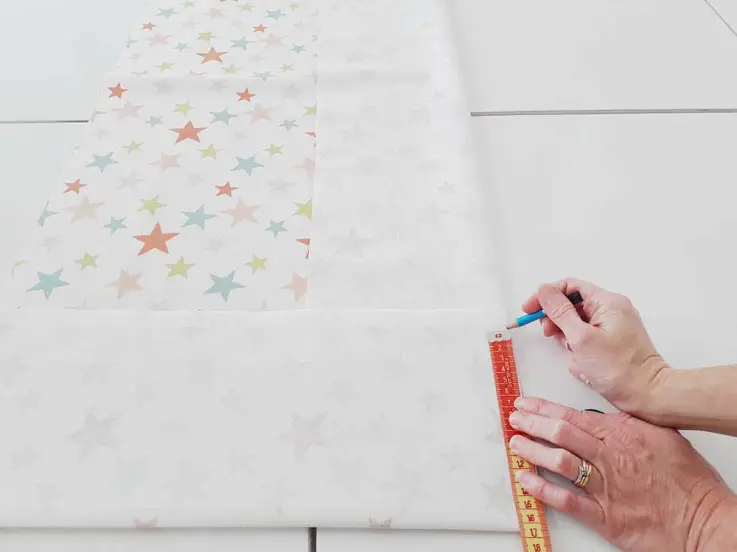
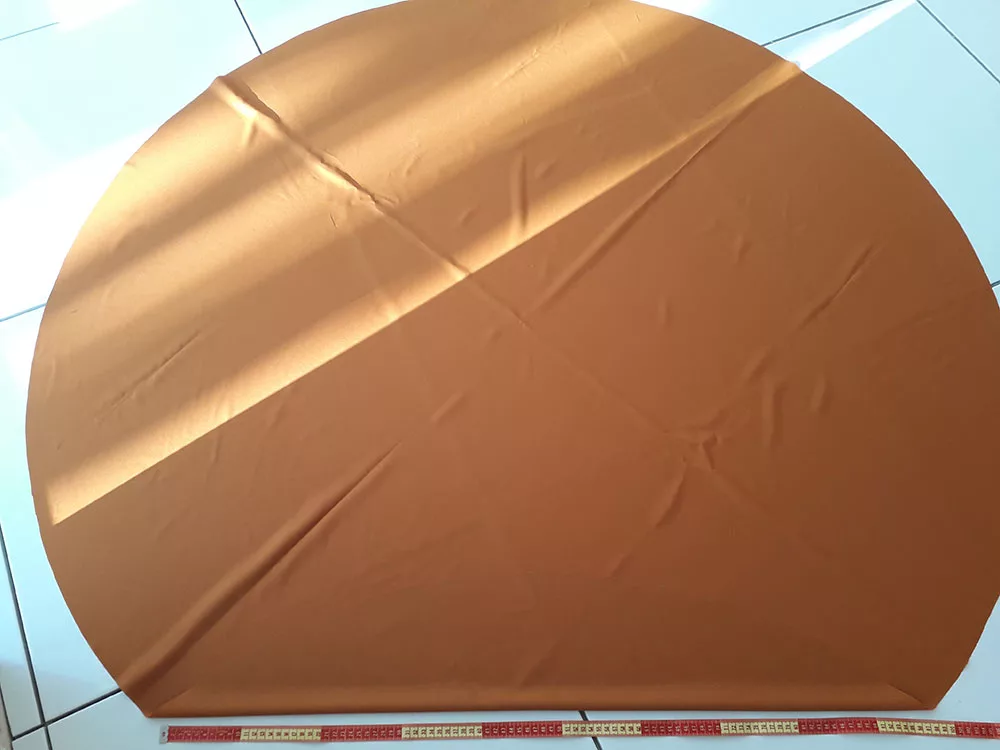
b) Lay the fabric out flat and fold over approx. 16.5cm of the cut edge and hand press along the crease.

c) Fold over the selvedge edge approx. 16.5cm – DO NOT include the selvedge in the measurement. Hand press the crease.

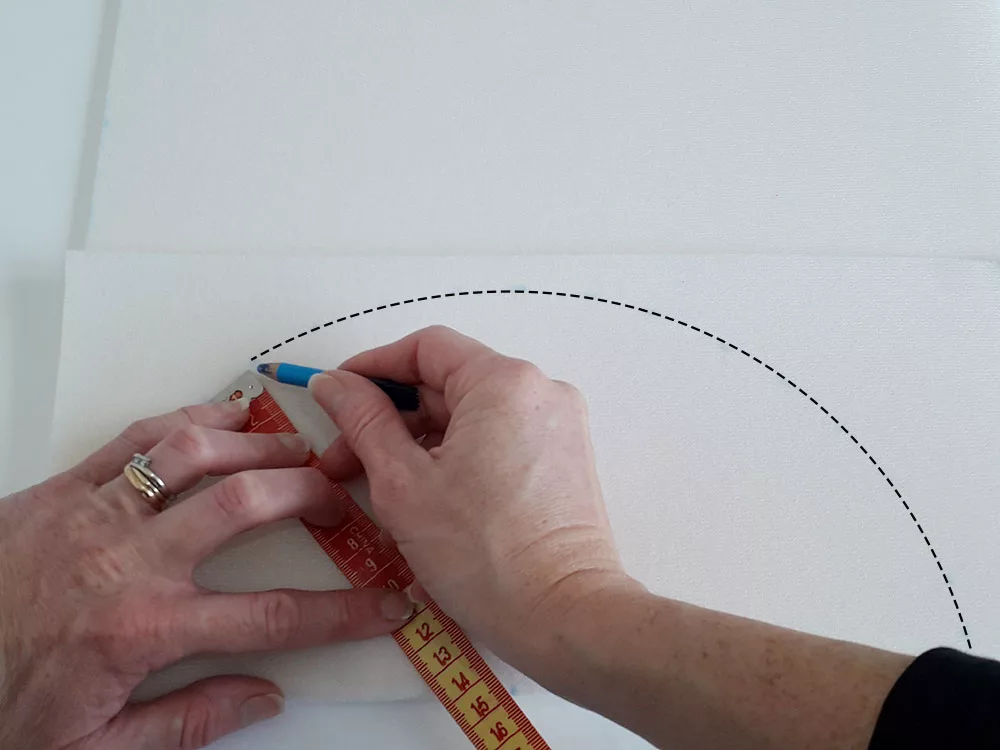
d) Position the end of a tape measure in the corner where the 4 layers of fabric meet.

Step d)

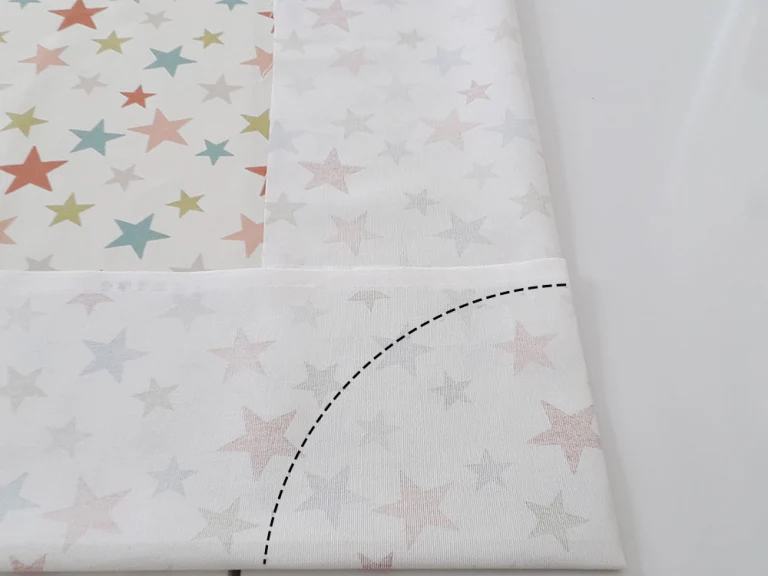
e) From that point, measure and make a mark 16.5cm along one of the creased edges.

f) Pivoting the tape measure with the end always in the corner, move the 16.5cm measurement about 2cm away from the fold and make another mark. Continue to make marks at 2cm intervals until the tape lies along the other folded edge. The marks will form a quarter circle shape

Step f)

g) Pressing down firmly on the 4 layers to hold them in place, cut out the marked quarter circle.

Cutting Style-vil circles

For bulky materials, for example; Style-vil, fold the fabric once allowing enough room to form a half circle of markings instead of a quarter circle. The top layer can be cut and then used as a template to cut the bottom layer.

Cutting Style-Vil

Cutting Buckram

Draw around the cut Style-vil base circle as a template for the Buckram

NB – Do not cut Buckram with fabric scissors as it can dull the blade!

2. Sew the main basket


Follow steps 2. – 10. for BOTH the outer & lining fabrics

2. Take the basket side panel piece & lid side panel piece and fold each piece of fabric in half, align the 2 short edges right sides together and pin.

3. Sew along the edge using a 2.5 length straight stitch.

4. Press the seams to one side.

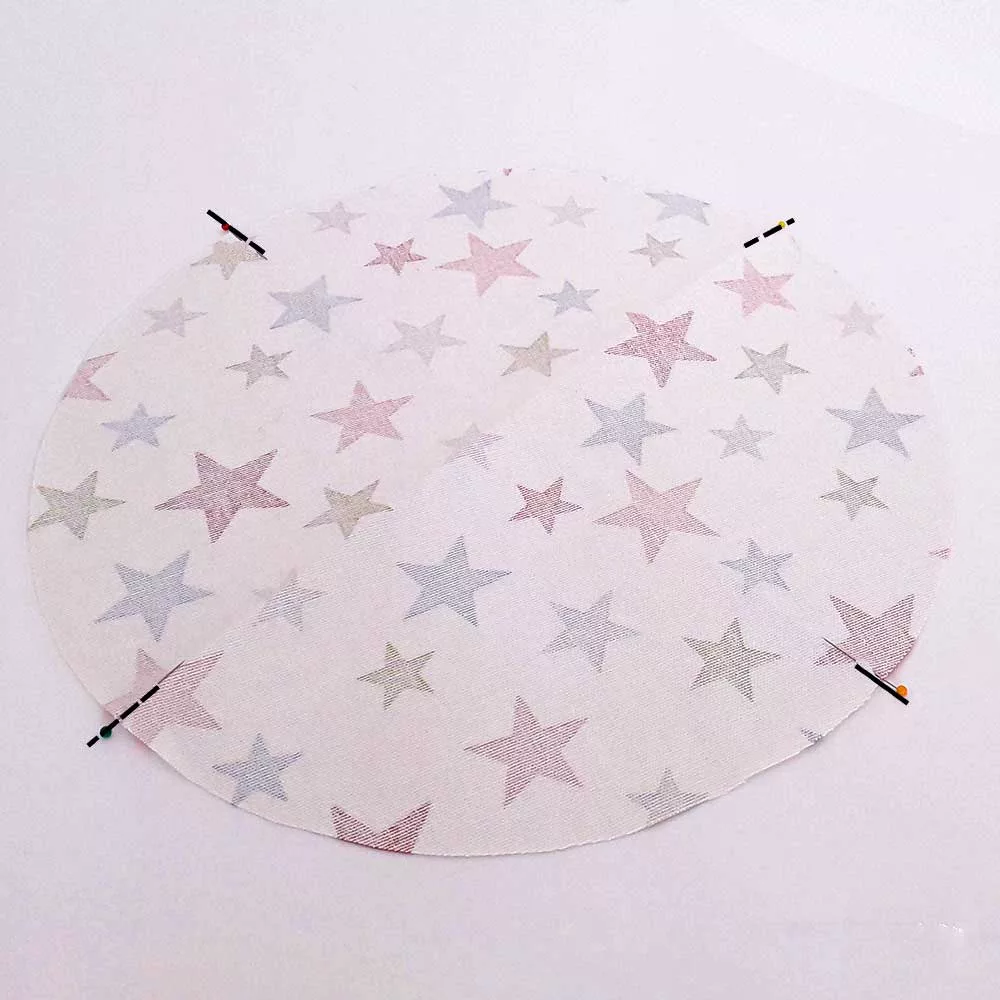
5. Mark 1/4 points on the bottom edge of basket side panel, top of the lid side panel and around the edge of the base and lid circles.

Step 1.5

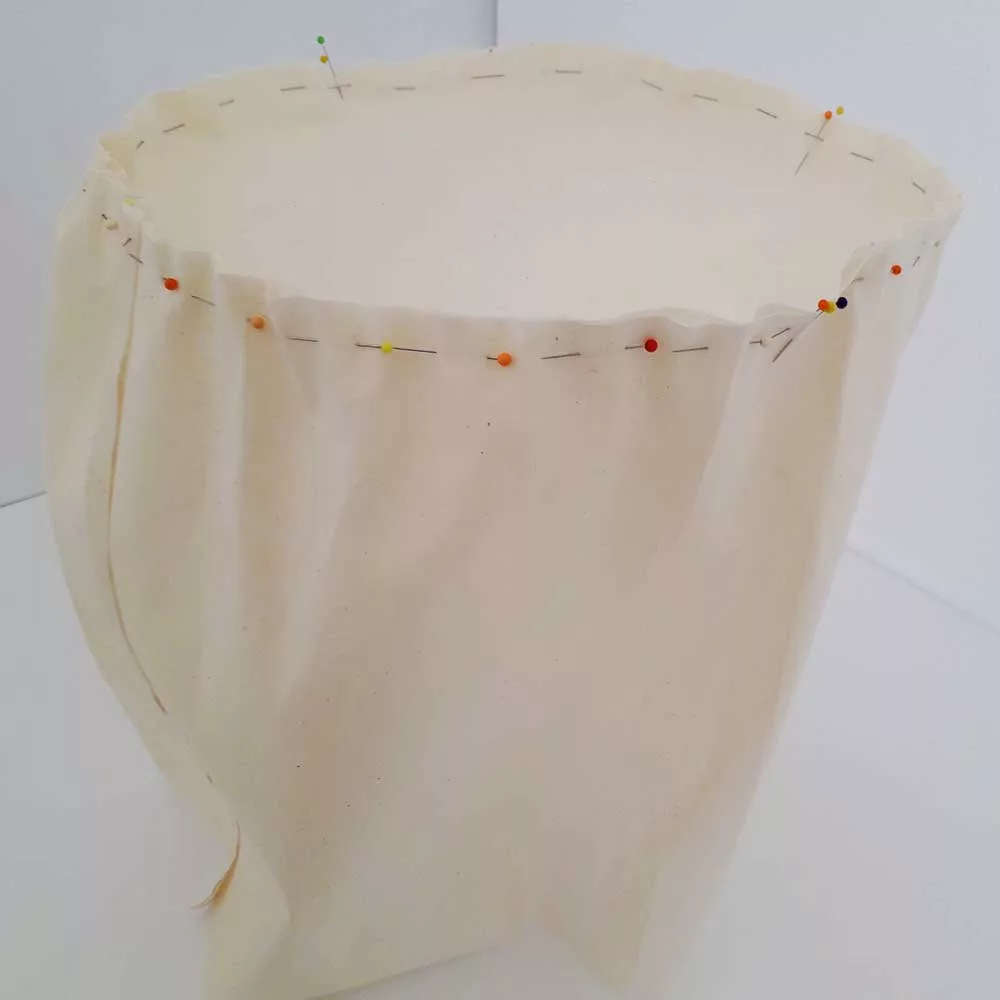
6. Pin the 1/4 points on the base circle to the 1/4 points on the basket side panel right sides together. Then pin between the points to hold the 2 pieces together.

Step 1.6

7. Repeat step 5 for the lid side panel and lid circle.

8. Sew the pinned edges together using a 2.5 length straight stitch.

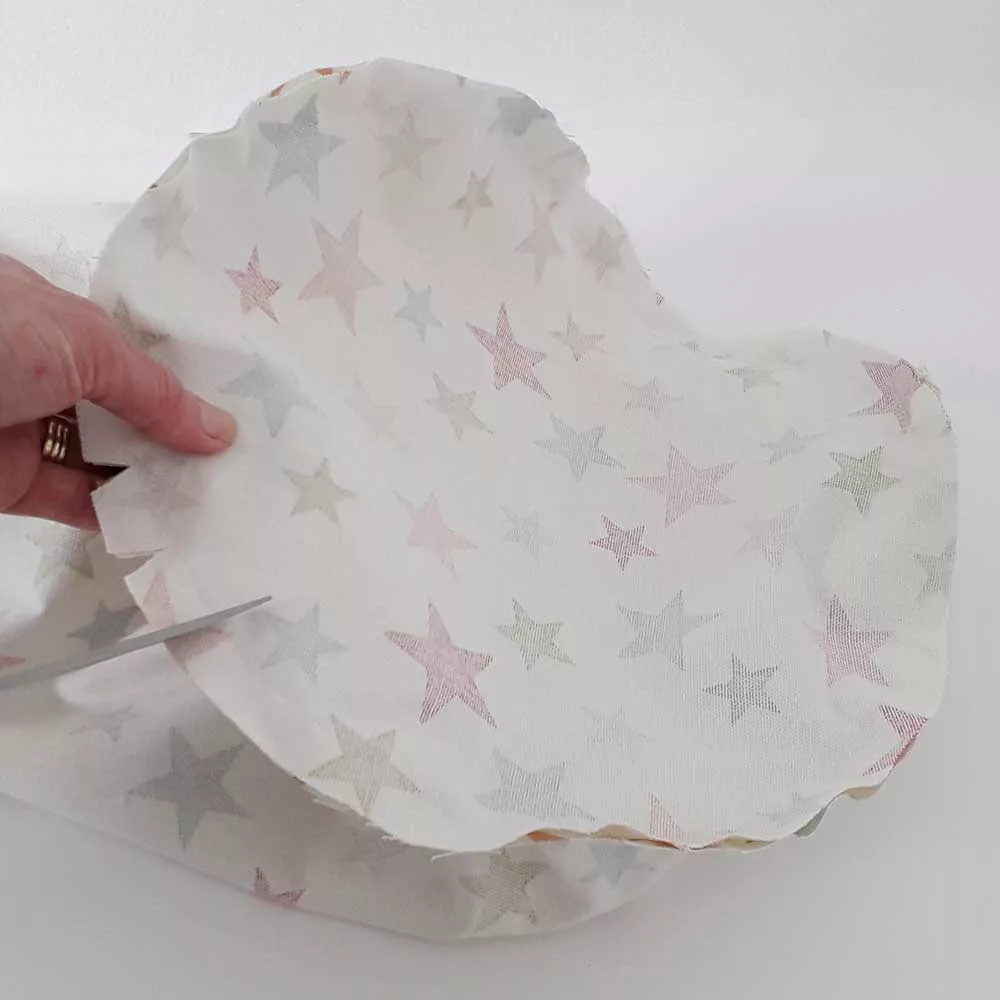
9. Clip V shaped notches* in the seam allowance at 2cm intervals on all 4 pieces (basket outer and lining, lid outer and lining).

*notches are usually around 5mm wide narrowing to a point stopping just before the seam line.

Step 1.9

10. Smooth the seam allowance over to the side panel. Understitch by sewing along the seam allowance 2mm from the seamline using a 2.5 length straight stitch. Watch the video below   

Step 1.10 Understitching

Why understitch?

Assemble the basket


Follow these steps for BOTH the lid and basket

11. Turn the lining pieces so the seam allowances are on the inside of the cylinders.

12. Put the lining inside the outer piece right sides together. Line up the side seams then pin the raw edges together.

Step 1.12

13. Sew around the pinned edges leaving a 10cm opening for turning. Use a 2.5 length straight stitch.

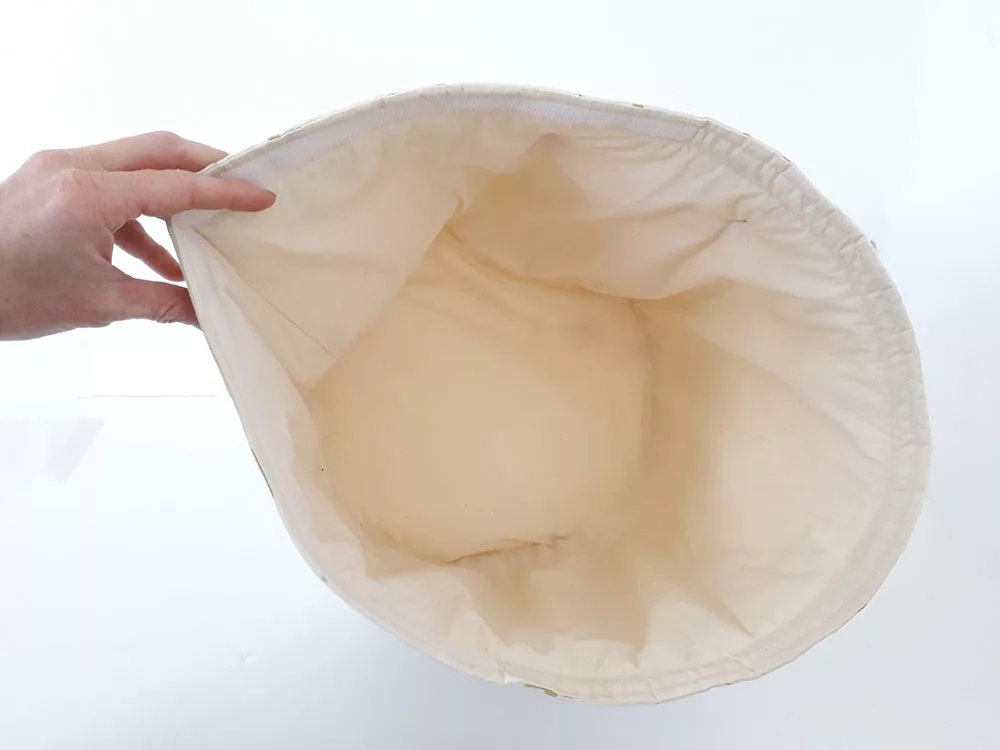
14.Turn the basket and lid out the right way and press. Tuck the 1.5cm seam allowances around the openings in and press.

Step 1.14

Add the Style-vil foam


15. Starting with the circles pieces (the lid being the larger of the 2). Roll up the Style-Vil tight enough to fit through the opening. Once the Styl-Vil is inside, manoeuvre the Style-vil to the correct position, then unroll the piece and smooth it out against the outer fabric. Watch the video below:

Step 1.15

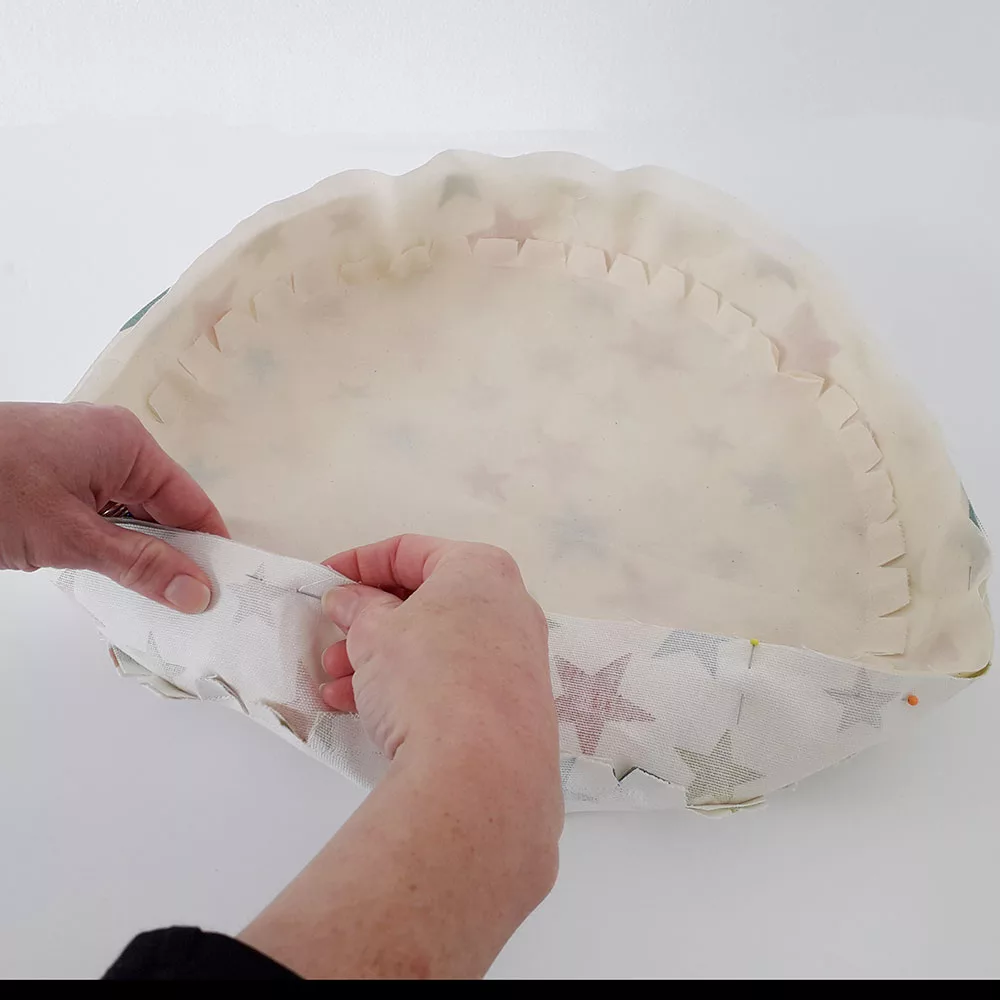
16. Feed the side panel piece through the opening, the piece for the basket will need rolling up as per step 15. Align the short edge of the Style-vil with the side seam then unroll it, guiding the padding around the sides of the basket. Once in place, push the seam allowance around the top edge towards the lining and tuck the Style-vil behind it.

Step 1.16

Step 1.16

17. Starting at the side seams smooth down the outer and lining fabrics from the top edge toward the lid/ base circle to ease any twisting between the layers.

18. Hand sew around the Style-vil circles using blind stitch. Hide the stitches within the lining and outer seam lines.

Step 1.18 Blindstitching: Use a complementary thread and cast on by the side seam. The contast thread here is for demonstration purposes.

19. To hold the Style-vil side panels in place, hand sew along the lining and outer side seams using blindstitch.

20. Hand sew the openings in the lid and basket closed using ladder stitch.

Step 1.20 Ladder stitch: Use a complementary thread and cast on inside the opening. The contast thread here is for demonstration purposes.

5. Finishing touches

21. Top stitch around the lip of the lid, 1cm from the edge. Use a straight stitch with a length of 3 or greater.

22. On the inside of the basket pin or clip the hook side of the Velcro 8mm from the top. Centralise it over the side seam.

23. Sew a line of top stitching 1cm from the rim of the basket, sewing the top of the Velcro when that section is reached. Use a straight stitch with a length of 3 or greater.

24. Sew a second line of top stitching around the basket rim at the same depth as the bottom of the Velcro.

Step 1.24

6. Adding straps

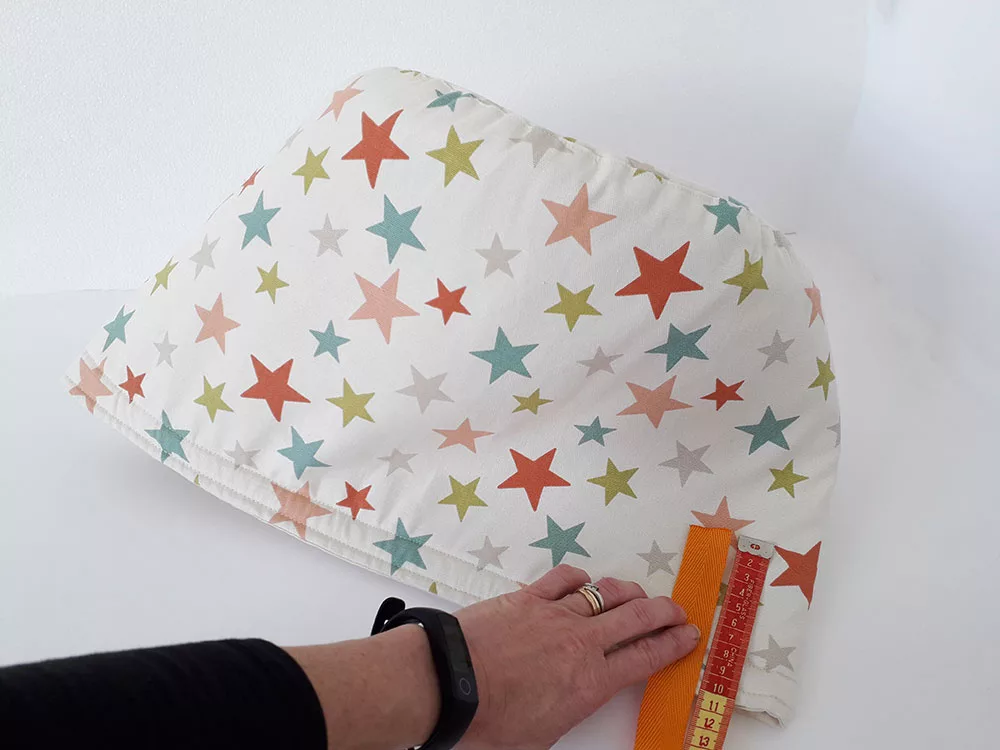
25. Find the side quarter points: Fold the storage basket in half with one crease along the side seam and the other on the opposite side of the basket. Open out the basket then bring the 2 creases together. With the 2 creases aligned, flatten the bag to create 2 creases at the quarter points. Mark the top of the creases with pins, clips or a temporary fabric marker.

24. To make the straps, cut the webbing in half and hem/ seal the ends.

26. Working on 1 Strap at a time: align the 2 ends of the strap so they sit either side of the crease and are 10cm below the rim of the basket. Move the ends apart until they are each 5cm away from the crease, 10cm away from each other. Pin the ends in place

Step 1.26

Step 1.26

27. At the end of each strap sew a 3cm high box. The stitch lines along the sides and bottom needs to be approx. 2mm from the edge. For added strength sew from one corner of the box to the opposite one, repeat with the other 2 corners to form a stitched X within the box.

Step 1.27

Stay up to date with the latest from Plush Addict

Click to join our mailing list!

Part 2: Sewing the playmat


1. Cut out the following:

From the Ripstop nylon

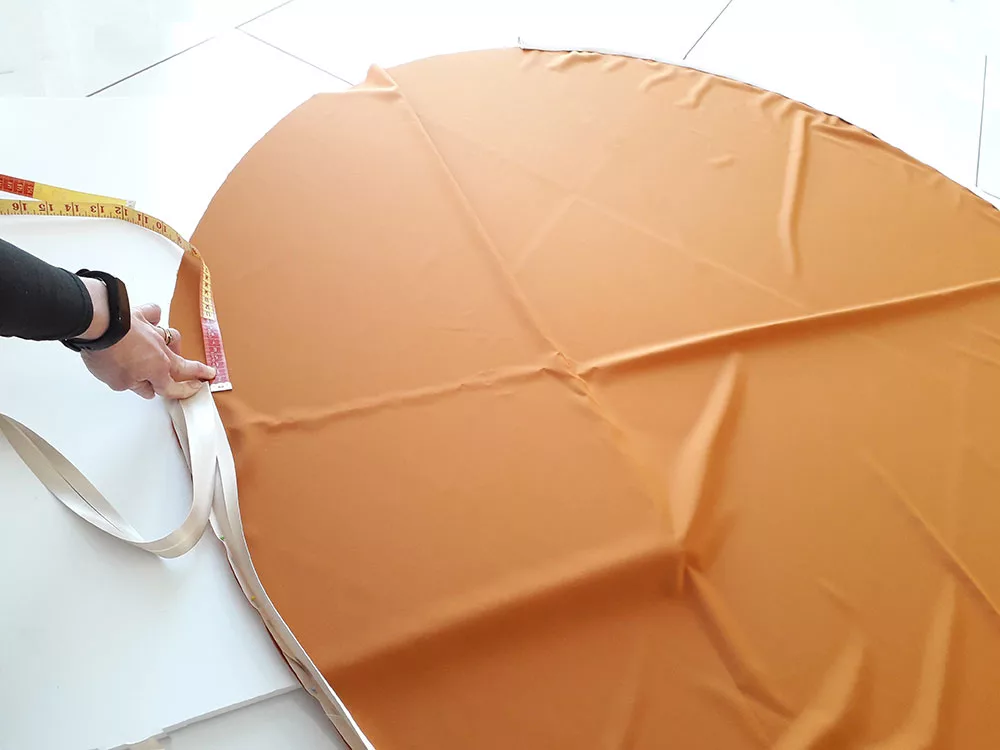
  • 1 Play mat 150cm diameter* [Refer to earlier step 1.1 “How to draft and cut circles & watch video below]

Marking & cutting circles

2. Sew the cord casing

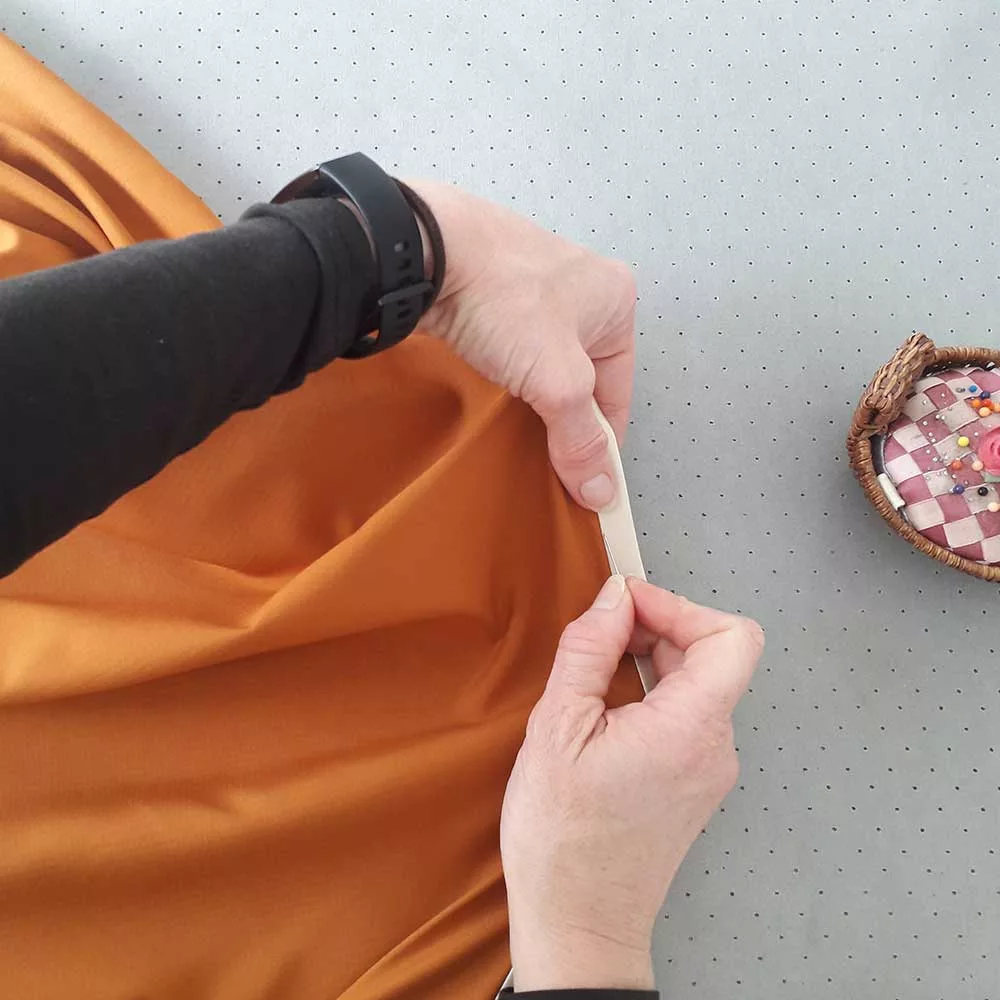
1. Hem the end of the bias tape: Open out the end of the bias tape and fold 1cm of the short edge over and press. Tuck the raw edge under to meet the pressed crease and press again to form a 5mm pressed hem. Straight stitch along the edge of the hem with a stitch length of 2.5.

<br />
Sewing the play mat step 1

Step 2.1

2. Find the position of the casing openings: spread the playmat out flat. Fold over 1 edge of the circle far enough to create a straight edge 1 metre in length. Hand press along the crease then mark the fabric at each end.

Step 2.2

3. Spread the playmat out flat again. Identify the shortest and longest distance between the 2 markings around the edge of the playmat.

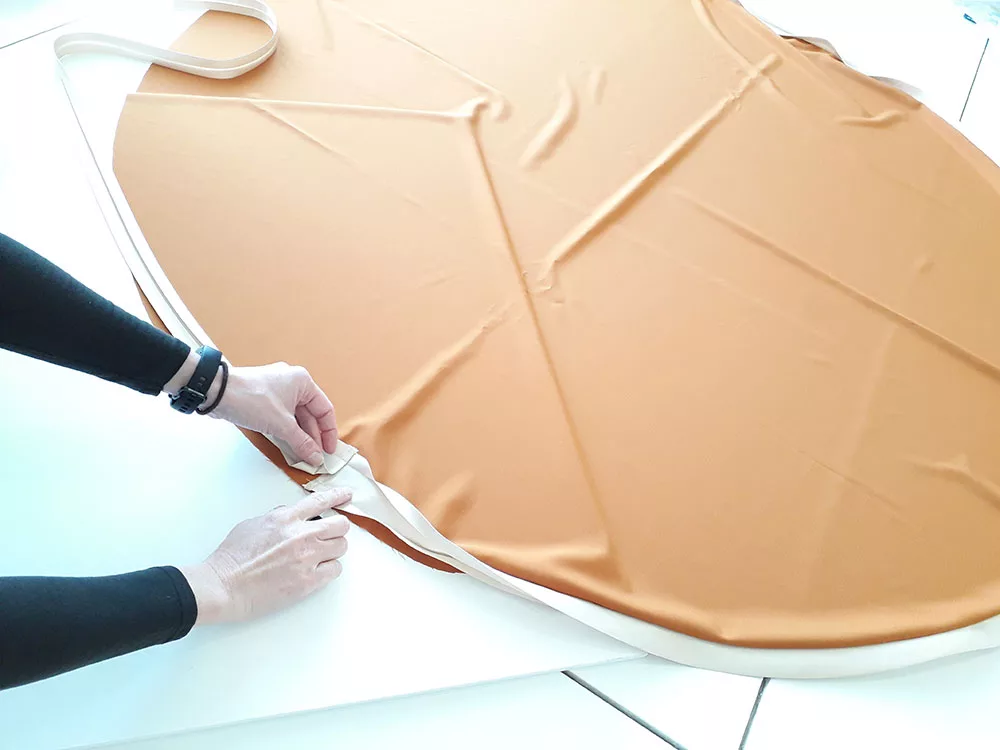
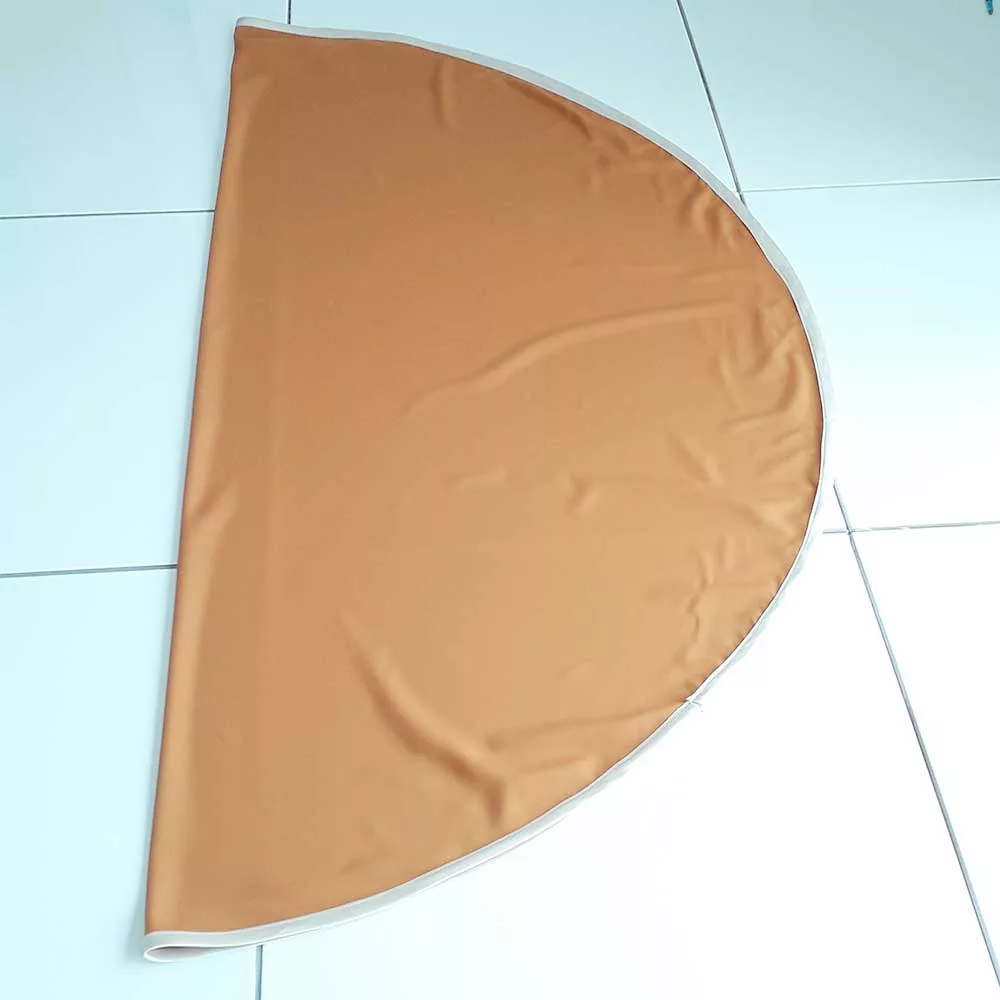
4. From the mark at the start of the long section, open the outer fold in the bias and pin the bias around the edge of the playmat with right sides facing, edges aligned. Stop when the 2nd mark is reached.

5. At the second mark, cut the bias tape 1cm longer than the marked point. Fold over and press the 1cm and hem as per step 1. Keep the leftover tape to 1 side.

Step 2.5

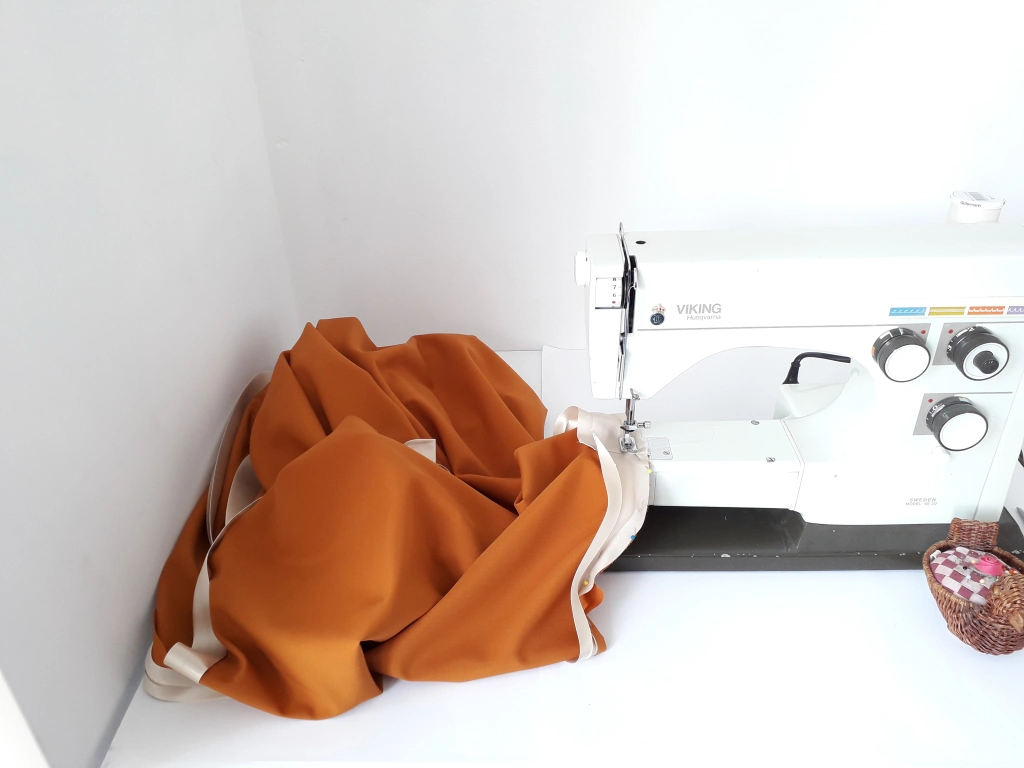
6. Sew along the crease in the bias closest to the outer edge of the playmat. Use a straight stitch, 2.5 stitch length.

Step 2.6

7. Hem (see step 1) the end of the leftover bias tape from step 5.

8. At the start of the short section open out the bias tape and overlap the hem with that of the bias sewn in step 6. Pin the bias around the edge of the playmat with right sides facing, edges aligned. Overlap the hem with that of the attached bias. Do not trim the excess, leave an overlap.

Step 2.8

9. Starting at the hemmed end, sew the bias tape for the short section as per step 6. Stop sewing 5cm before the long section.

10. Trim the bias tape 1cm past the hem at the start of the long section. Fold over and press the 1cm excess then hem as per step 1. Pin and sew the last section of bias tape in place, the 2 hems should overlap.

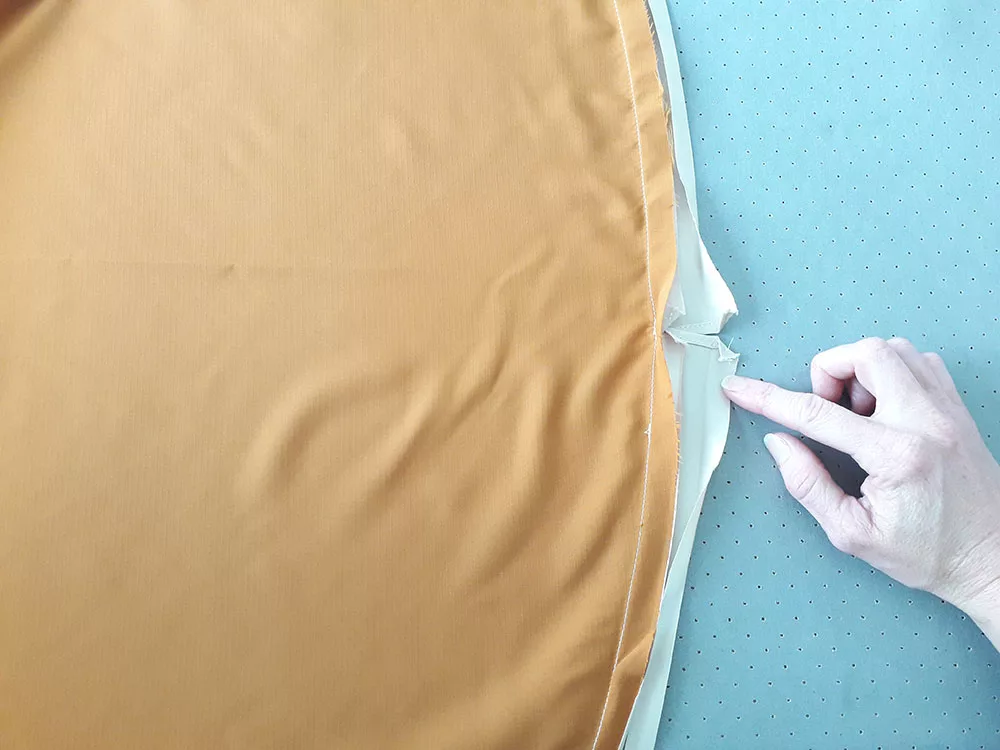
11. At the 2 overlap points, press the 4 tips of the bias tape inwards at 450 angles.

Step 2.11

12. To finish forming the casing, start from one marking and fold the bias over to encase the raw edge of the playmat. The creased edge of the bias needs to overlap the sewn seam by 2mm. Pin the tape in place from the top of the mat. Ensure the 2 sets of hem ends overlap, these form the entry points for the draw cords.

Step 2.12

13. Machine sew ‘stitch in a ditch’ from the pinned side to form a casing: Consider top/ bobbin thread colours, sew with the stitch line at the back catching the bottom edge of the bias tape and at the front, sew along the existing seam line (steps 6 and 9) tight to the edge of the bias tape ‘the ditch’. Use a straight stitch, stitch length 2.5.

3. Add the velcro

14. Mark the position for the velcro: Align the 2 draw cord entry points, hold/ clip them together, then fold the playmat in half.

Step 2.14

15. Hand press the crease at the end furthest from the entry points, this is the halfway point in the long casing section.

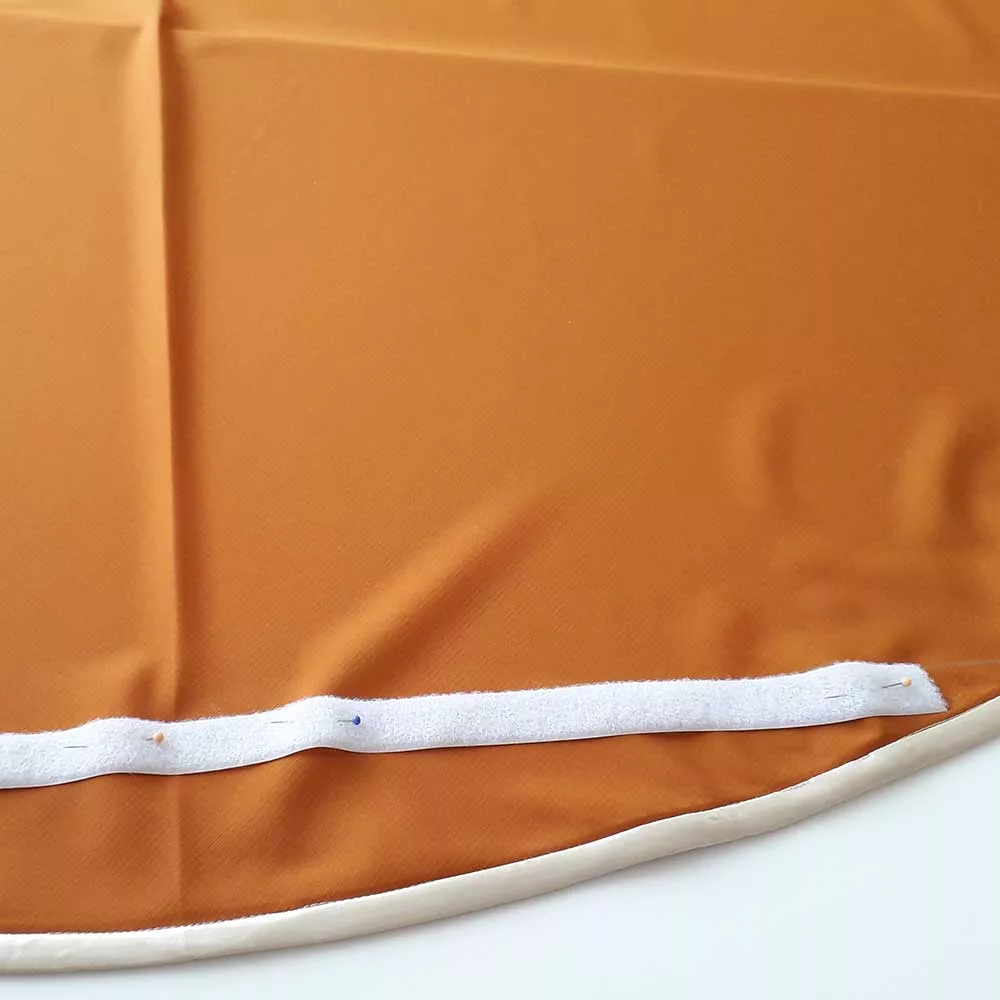
16. Lay the mat out bottom side up (which is the bottom/ top is based on personal preference). Position the centre of the Velcro’s loop side across the crease forming a + shape. The velcro strip needs to be close enough to the edge of the mat for each end to touch the bias casing without overlapping it, move it further up or down the crease until the correct position is achieved.

Step 2.16

17. Sew one long edge of the Velcro from the centre outwards in each direction. Use a straight stitch, stitch length 3.

18. Sew the other side of the Velcro from one end to the other.

4. Thread the cord

19. Cut the polyester woven cord in half and seal the ends.

20. Start at one of the draw cord entry points; using a bodkin or safety pin thread one of the cords through both the short and long casing sections and exit at the start point.

21. Secure the ends together with a knot.

22. Repeat step 20 from the other entry point to create 2 rings of draw cord within the casing. Secure the ends as per step 21.

Part 3: Setting up the toy tidy


1. Place the buckram in the bottom of the basket.

2. Align and stick the Velcro on the mat and bag together. And the Toy Tidy is complete!

Never miss a tutorial or fabric guide…

Stay up to date with the latest by signing up to our newsletter!

Click to join our mailing list

Pin For Later!

We hope you found this tutorial useful

Let us know how you get along in the comments below 🙂

Follow Plush Addict on social media and keep an eye out for more tutorials. Please tag us @PlushAddict on your fave social media channel… we’d love to see your makes!

The Ultimate Vilene / Vlieseline At-A-Glance Guide

The Ultimate Vilene / Vlieseline At-A-Glance Guide

We have prepared this ultimate Vilene / Vlieseline Guide because interfacings and interlinings are some of the most useful products to have in your sewing room.

Vlieseline offer a vast range of products which can add shape and structure to your fabric but there are so many choose from so how do you know which you need for your project?


Who’s Vlieseline?

First off, let’s talk about Vlieseline.

If you’re based in Europe and have been sewing for a while you’ll probably be familiar with the brand Vilene.

Vilene became Vlieseline in the summer of 2016, different name, but the products are all the same and of exceptional quality.

For more than 60 years Vilene (now Vlieseline) has been the essential interlining for all kinds of applications.

Vlieseline products are the most famous and prestigious interlinings for those with a passion for sewing, for studios and for professional tailors/dressmakers!


Ultimate Vilene / Vlieseline Guide

Boring Legal Bit: If you follow any tutorial or guidance found in this post, or on this blog, you agree to be bound by our disclaimer which can be viewed here

Did you know that Vlieseline do more than just interlinings?

Alongside the top quality fashion range which includes iron-onsew-in and woven the range also includes a comprehensive range of tapes to take your dressmaking to the next level. 

The Creative Range  is the perfect range of stabilisers for all sorts of projects including patchwork, bags, home decoration, or accessories.

Did you know that Vlieseline also offer a great range of waddings/ battings? 

Suitable for projects that need a little volume of padding, there are also some flame retardant  choices, perfect to offer peace of mind for baby projects.

Vlieseline baby project


With the help of Vlieseline we’ve put together a handy at-a-glance guide which will easily help you select the right product for the right project.

As well as the basic weights we’ve included laundry instructions, fabric suitability and properties, a quick guide to how to apply the product.


Want the Ultimate Vilene/Vlieseline At-A-Glance Guide?

Click the button below to grab your copy!


Vlieseline/ Vilene & Pellon Equivalent products

Isn’t it annoying when you find the perfect project online, only to discover you don’t recognise the suggested stability option?

If you’re based in the USA you’re probably familiar with Pellon, and here in Europe and Australia the most popular brand is Vlieseline.

We’ve provided Pellon suggestions for Vlieseline products where possible, although we always recommend testing an interlining on scrap fabric first to make sure you’re happy with the result.

Vlieseline have an extensive YouTube channel which you must check out. It has oodles of video how-to tutorials on how to get the best from the range.

Grab 10% off Woven Interfacing with WOVEN10


We hope you find this guide helpful! Drop us a message and let us know how you get along, we love to see all your amazing makes.

Follow Plush Addict on social media and keep an eye out for more guides!


 Brassey Cl, Peterborough PE1 2AZ, UK